










Summer Riding Etiquette: Sharing the Road with Pedestrians & Cyclists

Electric scooters are the newest arrivals on Europe’s streets. Bicycles have a century of infrastructure, cars have a century of rules, and pedestrians have always had the right of way. Scooters are still finding their place.
That position isn’t guaranteed. Every time a rider blasts through a pedestrian zone, ignores a bike lane protocol, or weaves dangerously through traffic, the public perception of all e-scooters drops. Cities respond with bans, speed limits, and heavy fines.
But the opposite is also true. Riders who follow etiquette, yield when appropriate, and move predictably make the case that scooters belong on the road. This guide covers the unwritten rules of sharing space—how to ride in a way that earns respect and keeps everyone safe.

The Golden Rule: Predictability
Every principle below comes down to one concept: be predictable.
Pedestrians, cyclists, and drivers all make split-second judgments based on what they expect you to do. If you act unpredictably—sudden swerves, unexpected speed changes, blowing through intersections—you break their ability to react safely.
Predictable riders signal their intentions, maintain steady speeds, and follow the same rules as everyone else.
Sharing with Pedestrians
Pedestrians are the most vulnerable road users. They have no protection, no speed, and often no expectation of a silent vehicle approaching from behind.
Rule 1: No Riding on Sidewalks
Most European countries prohibit riding e-scooters on sidewalks. If you are on a sidewalk, you should be walking the scooter, not riding it.
Why it matters: A pedestrian stepping out of a shop doorway has no time to react to a 25km/h scooter. The scooter always loses the legal and moral argument in a collision.
Rule 2: Pedestrians Always Have Priority
At crosswalks, in shared spaces, and on mixed-use paths, pedestrians have the right of way. Slow down, prepare to stop, and yield without hesitation.
Rule 3: Don‘t Use Your Horn Aggressively
If your scooter has a bell or horn, use it gently and only when necessary—a gentle ring to alert someone who hasn’t seen you, not an aggressive blast to clear the path. If a pedestrian doesn‘t move immediately, slow down and navigate around them. Don’t bully them out of the way.
Rule 4: Pass with Space
When passing a pedestrian from behind, leave at least 1.5 meters of space where possible. Announce your presence gently (“Excuse me” or a light bell ring) and pass at a reduced speed.

Sharing with Cyclists
Cyclists were on the road first. They have established infrastructure, rules, and a culture. As a scooter rider, you are a guest in their space.
Rule 1: Stay Right in Bike Lanes
In countries with designated bike lanes, ride on the right side of the lane unless you are actively passing. Leave the left side open for faster cyclists.
Rule 2: Announce Before Passing
If you are faster than a cyclist ahead, don‘t just blast past them. Ring a bell or call out “On your left” before passing. Give them time to adjust their line.
Rule 3: Don’t Block Bike Parking
Bike racks are for bikes. Don‘t park your scooter across a bike rack or in a designated bike parking area. Use scooter parking or standard street furniture (without locking to it, which is often illegal).
Rule 4: Follow Bike Lane Etiquette
If the bike lane has directional markings, follow them. Don’t ride against traffic in a one-way bike lane—even if you‘re only going a short distance.
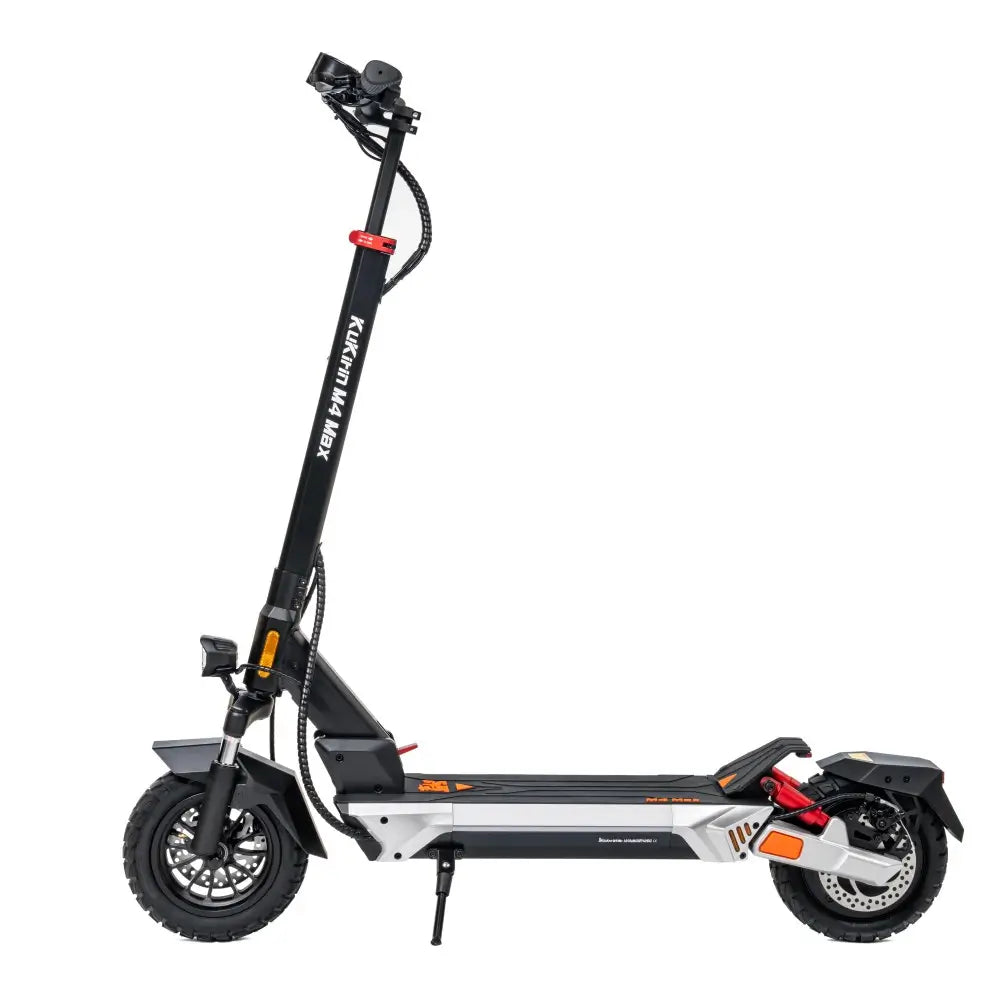
For riders in cities with strong cycling cultures, models with compact dimensions like the KuKirin M4 Max electric scooter fit comfortably within bike lane widths.
Sharing with Cars
Cars are the biggest risk on the road. They are heavy, fast, and often driven by people who aren’t looking for small scooters.
Rule 1: Follow Traffic Signals
Red lights apply to you. Stop signs apply to you. One-way streets apply to you. The moment you start treating traffic laws as optional, you become a hazard.
Rule 2: Don‘t Use Motor Vehicle Lanes (Unless Legal)
Most European countries prohibit e-scooters from roads with speed limits above 50km/h. Even where scooters are allowed, staying out of high-speed traffic lanes is the safest choice.
Rule 3: Keep a Safe Following Distance
Don’t tailgate cars. You need more stopping distance than you think, especially in wet conditions. Maintain at least a two-second gap.
Rule 4: Make Eye Contact
Before crossing an intersection or turning across a lane, make eye contact with the driver. A nod or wave confirms they‘ve seen you. If you can’t make eye contact, assume they haven‘t.

Hand Signals: The Universal Language
Your scooter may have turn signals, but hand signals make your intentions unmistakable.
Left turn: Left arm straight out.
Right turn: Right arm straight out (or left arm bent 90° upward, depending on local custom).
Slow down: Arm extended downward, palm facing back, moving up and down gently.
Stopping: Arm extended downward, fist closed.
When to signal: Always. Even if you think no one is watching. Consistency builds the habit.
Night Riding Etiquette
Night riding requires extra courtesy because visibility is reduced and noise is amplified.
Use your lights, but don’t blind people. Point your headlight at the road, not directly at oncoming pedestrians or cyclists. If your light has a high beam, dip it when passing others.
Reduce speed. Your reaction time is shorter at night, and people are less likely to see you.
Avoid noisy behaviors. Loud music, aggressive revving (if applicable), or shouting disrupts residential areas. Keep it quiet.
European Cultural Differences
Etiquette expectations vary by country. Respecting local norms matters.
Northern Europe (Netherlands, Denmark, Germany)
Cycling culture is deeply established. Bike lanes are strictly respected, and pedestrians expect bikes (and scooters) to follow the rules. Yielding to cyclists and pedestrians is non-negotiable.
Southern Europe (Spain, Italy, France)
Cycling infrastructure is less developed, but enforcement of e-scooter rules has tightened in recent years. In cities like Paris and Madrid, strict regulations have been introduced to control scooter use. Following the rules is more important than ever.
United Kingdom
E-scooter rules in the UK are strict. Private e-scooters are currently illegal on public roads, though rental trials exist. Check local regulations carefully.
For riders who want a model that handles varied urban environments gracefully, the KuKirin G4 Ultra electric scooter offers a stable ride and responsive controls.
Frequently Asked Questions
Can I ride my KuKirin on the sidewalk?
In most European countries, no. Sidewalk riding is prohibited. You should walk your scooter on sidewalks.
Do pedestrians have the right of way?
Yes. Pedestrians always have priority, especially at crosswalks and in shared spaces. Slow down and yield.
How do I pass a cyclist safely?
Announce your presence with a bell or a verbal “On your left” before passing. Leave plenty of space and don’t cut them off.
What hand signals should I use?
Use left arm out for left turn, right arm out for right turn, and arm downward for slowing/stopping. Signal early and consistently.
Is it legal to ride an e-scooter on the road with cars?
In most European countries, e-scooters are limited to roads with speed limits of 50km/h or lower. Check your local laws.
How do I ride safely at night?
Use your lights, reduce speed, avoid blinding others with your headlight, and stay aware of your surroundings.
Ride with Respect, Earn the Road
E-scooters are still earning their place on European roads. The riders who follow etiquette—who yield to pedestrians, respect cyclists, and obey traffic laws—make it easier for everyone.
Predictability is the core of good etiquette. Signal your turns. Maintain safe speeds. Keep your distance.
Do that, and you’re not just a scooter rider. You’re a responsible road user.
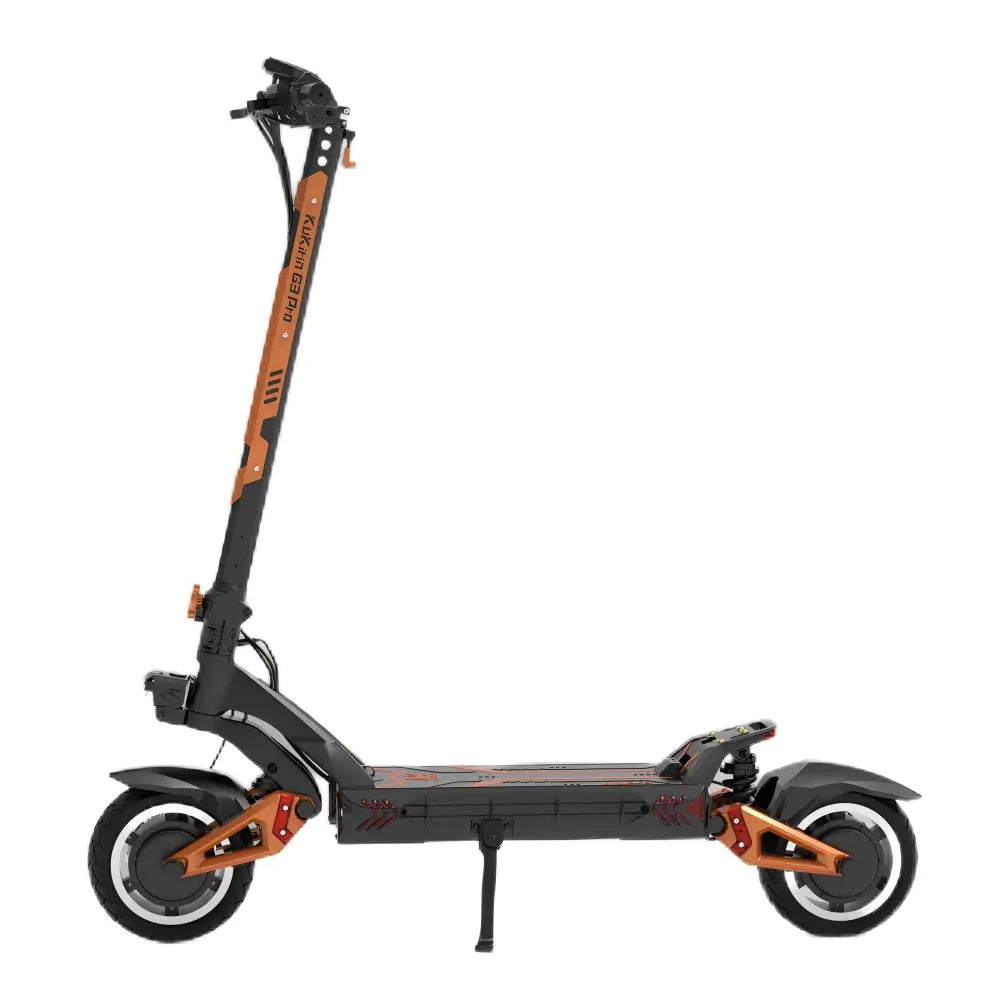
For riders who want a scooter with advanced lighting and safety features for urban riding, the KuKirin G3 Pro electric scooter offers a powerful 15W/120° headlight and full turn signal system.