









Summer Rain Survival: Is Your KuKirin IP54 Enough?

nswers all your questions about KuKirin water resistance — so you can ride with confidence, even when summer showers appear.
What Does IP54 Actually Mean?
IP stands for Ingress Protection — an international standard that rates how well electrical devices resist dust and water. The first digit (5) covers solid particles; the second digit (4) covers liquids.
| Rating | Dust Protection | Water Protection |
|---|---|---|
| IP54 | Dust-protected (limited ingress, no harmful deposit) | Splash-resistant (water from any direction) |
| IP55 | Dust-protected | Low-pressure water jets |
| IP65 | Dust-tight | Low-pressure water jets from any direction |
| IP67 | Dust-tight | Temporary immersion (1m for 30 min) |
| IP68 | Dust-tight | Continuous immersion (beyond 1m) |
What IP54 Means for Your KuKirin:
-
Fine for: Light rain, road splashes, morning dew, dust
-
Not for: Heavy downpours, puddles deeper than the chassis, pressure washing, submersion
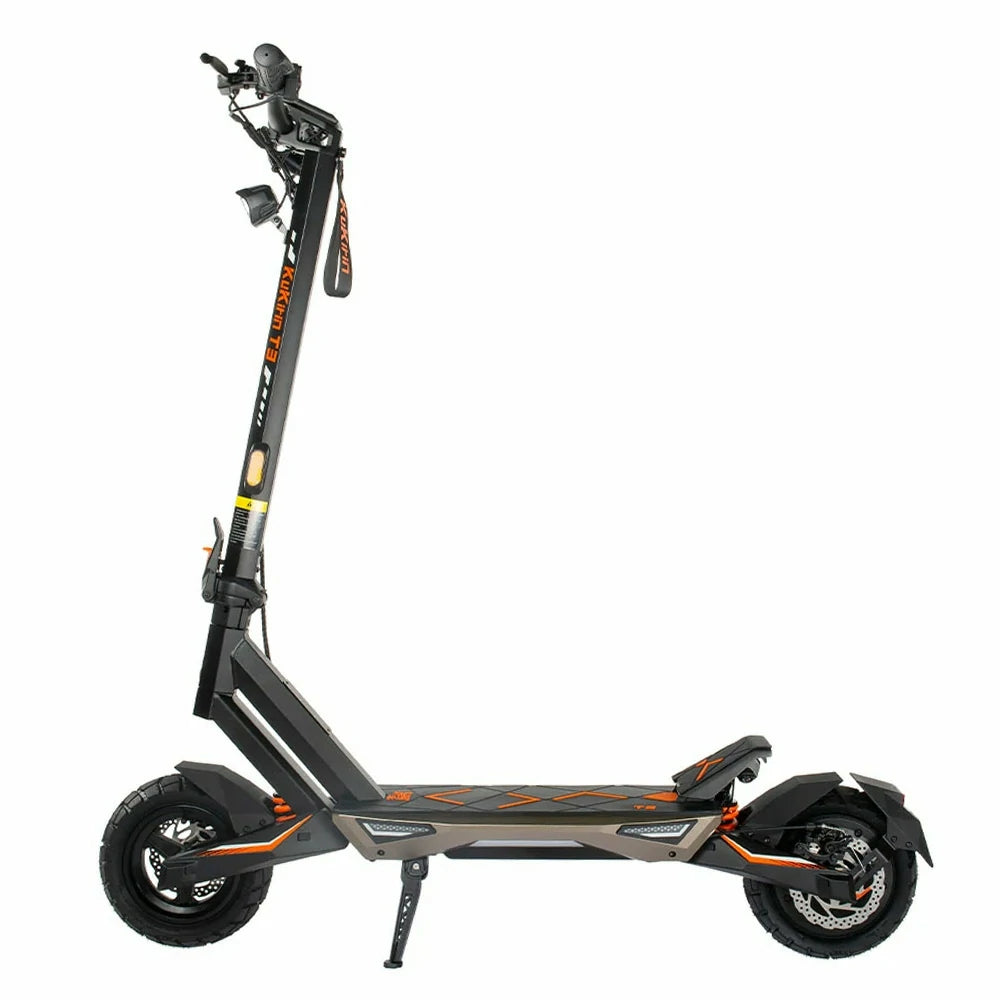
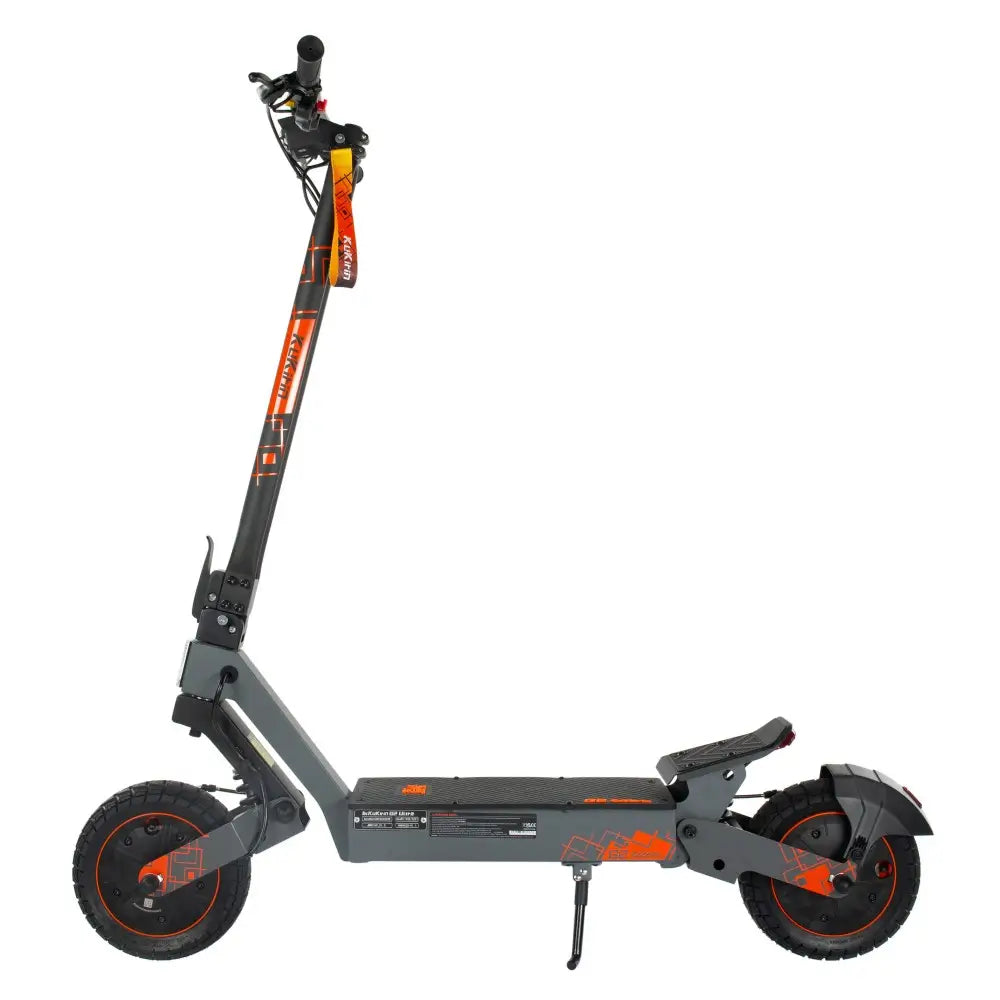
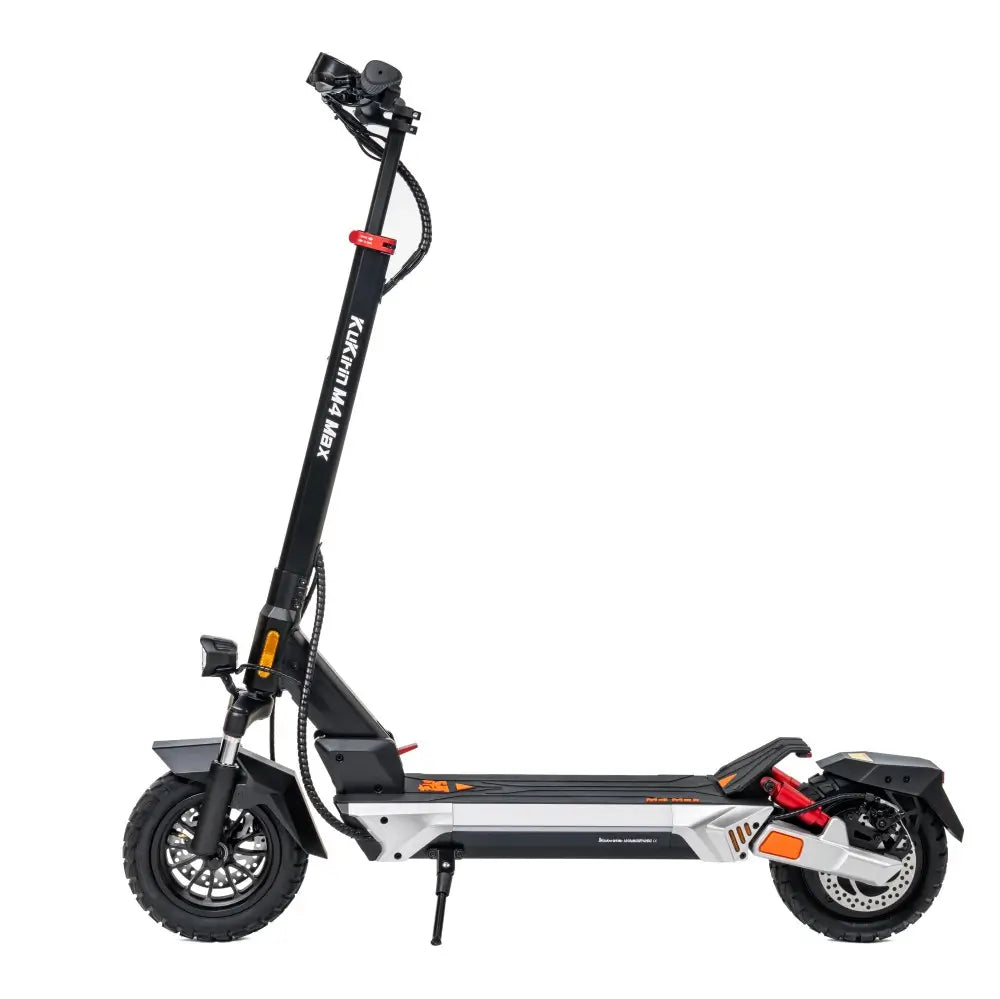
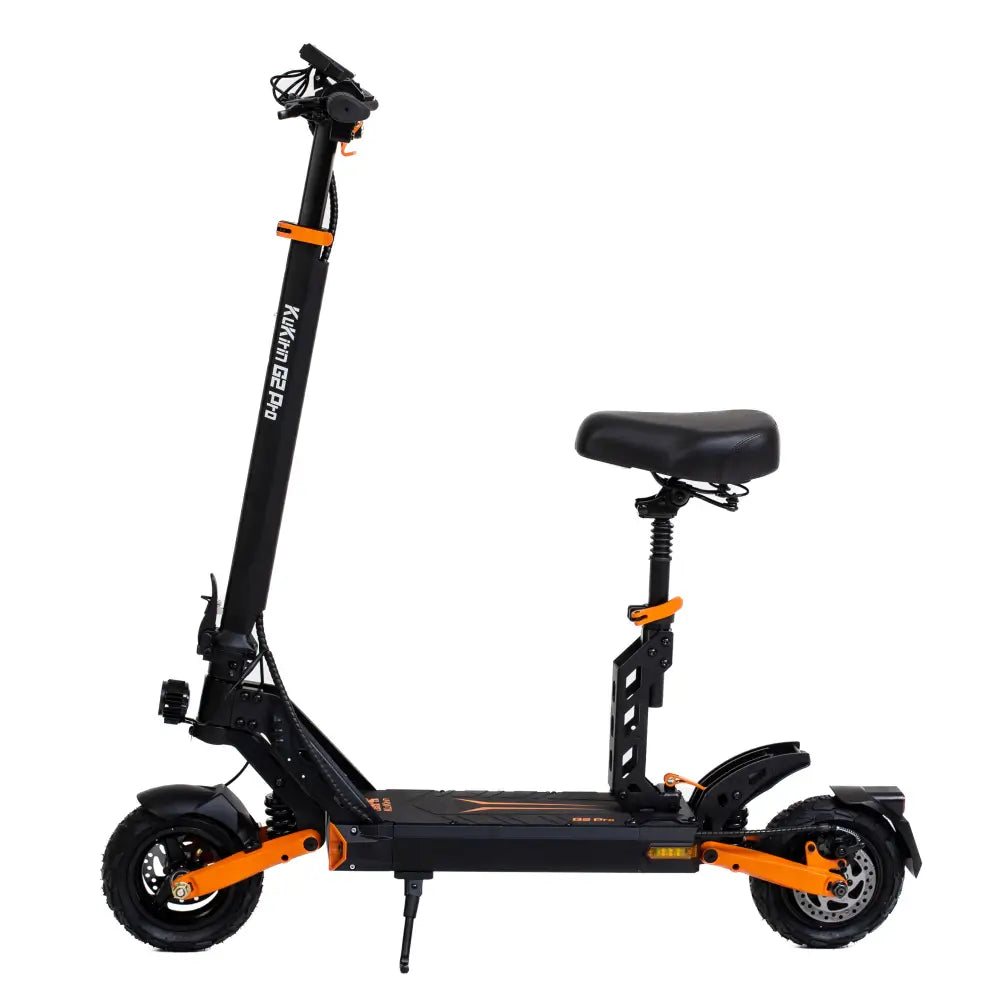
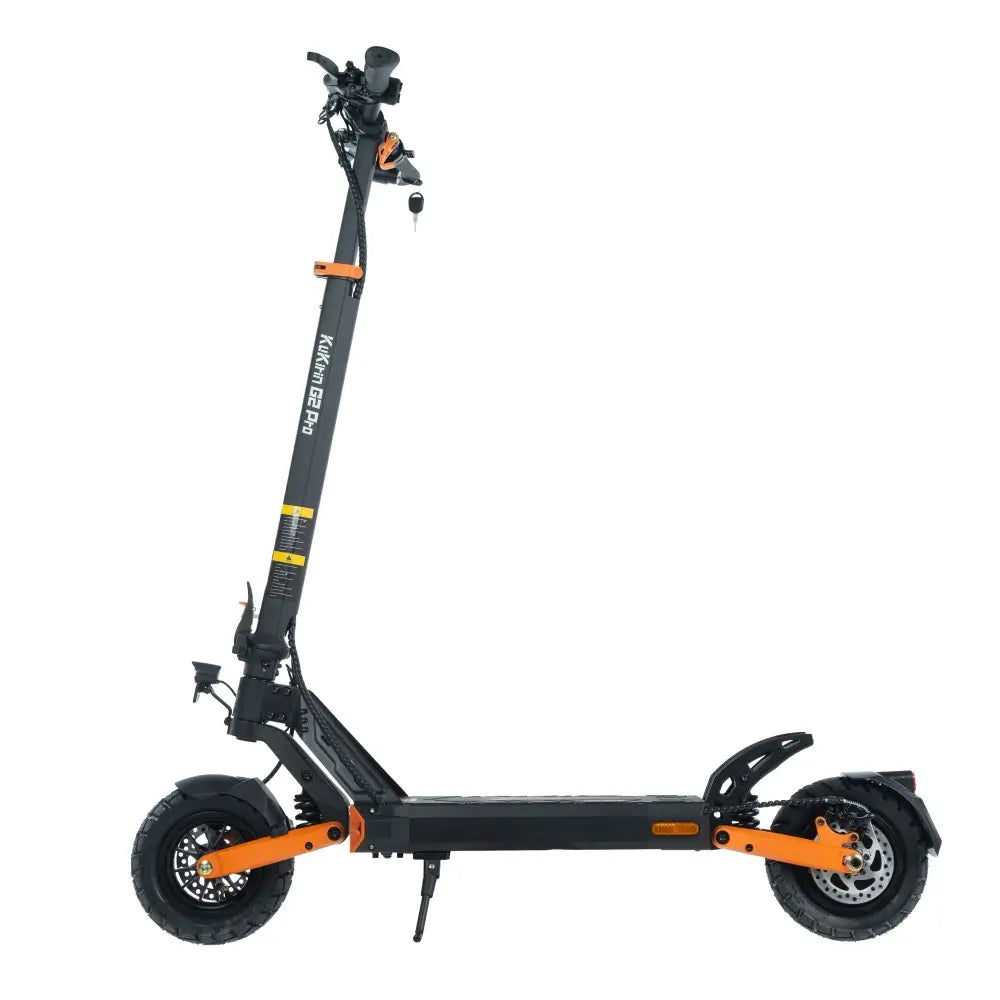
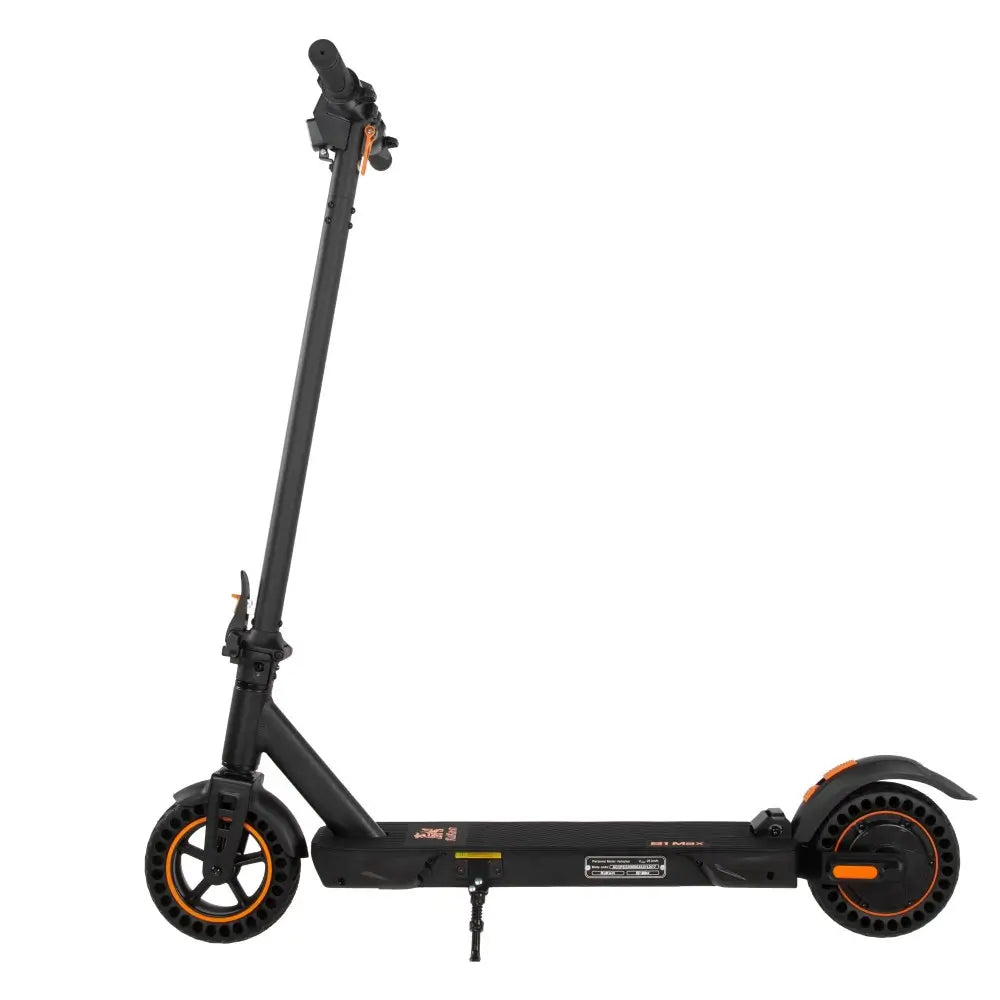
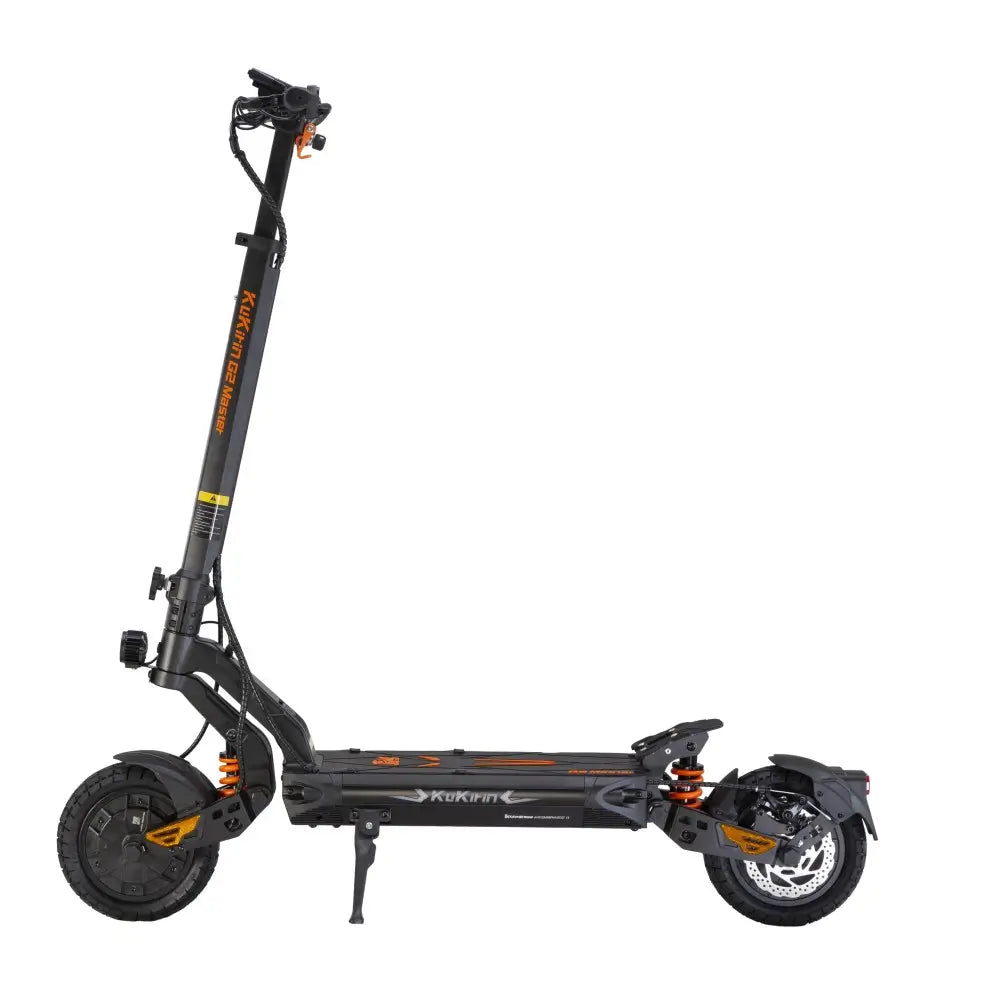
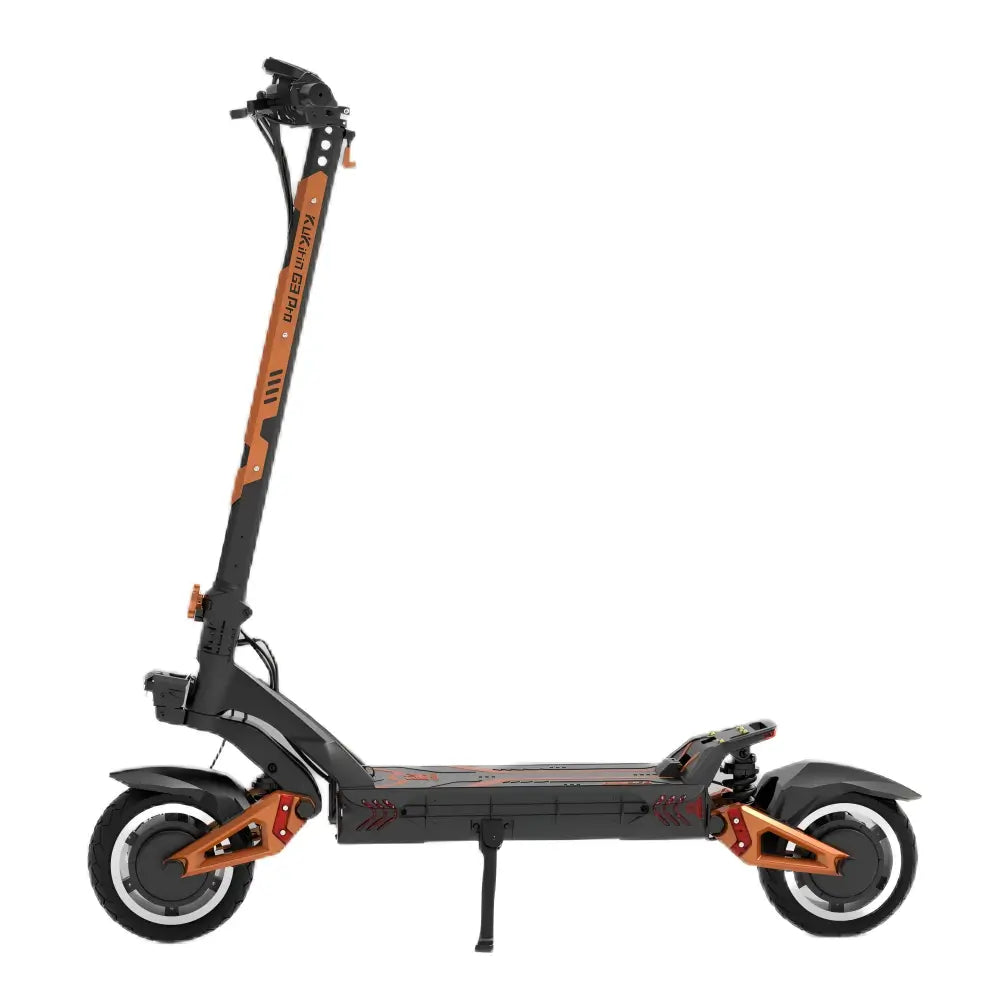
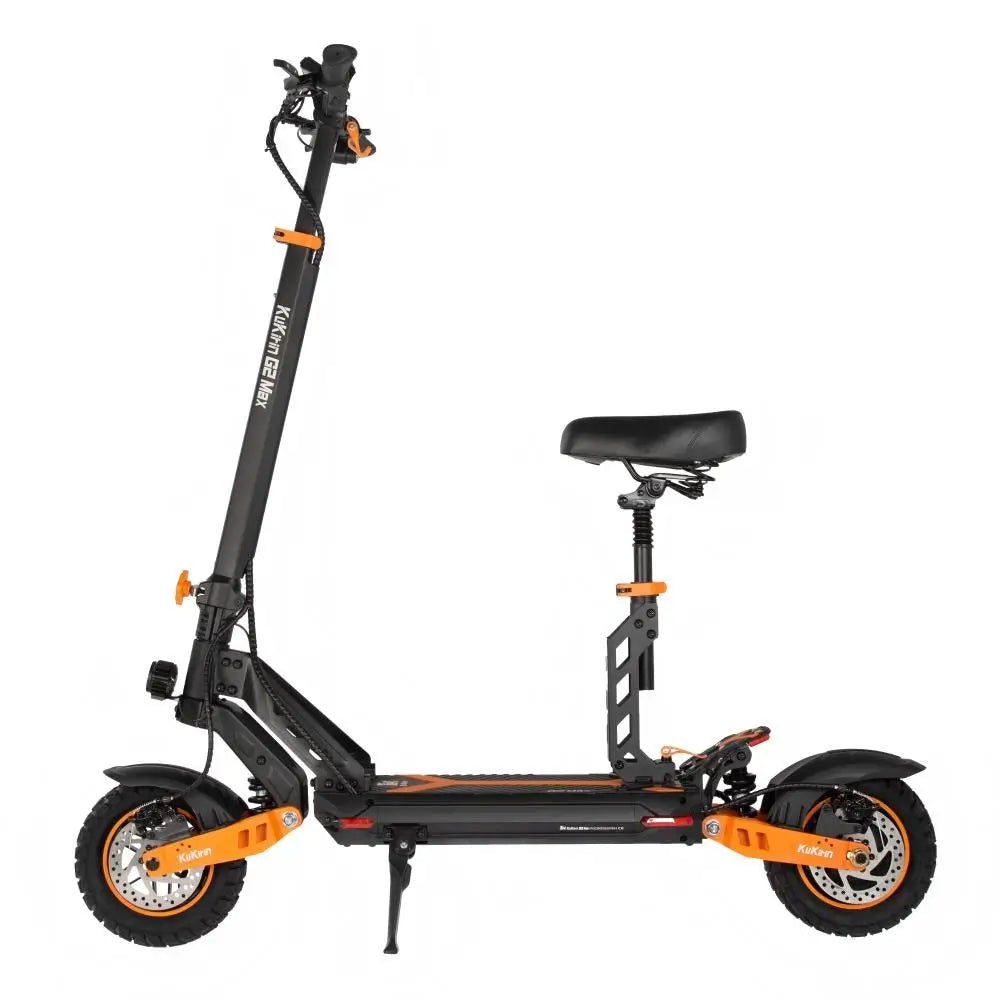
Most KuKirin models — including the popular G2, G2 Master, G3, G3 Pro, G4, A1, M4 Max, T3, and C1 Pro — carry an IP54 rating. The G2 Ultra has IPX4 (similar splash resistance, no dust rating). The S1 Max is also IP54.
However, the 2026 new G2 features an upgraded IPX7 controller — a significant improvement for water resistance.

Can You Ride a KuKirin in the Rain? (Short Answer)
Yes, but with caution.
Light rain and wet roads are generally fine for IP54-rated scooters. However, you should avoid heavy rain, deep puddles, and never pressure-wash your KuKirin.
The difference between "surviving" and "damaging" your scooter comes down to how you ride and how you care for it after wet rides.
Understanding Water Risk by Component
Not all parts of your KuKirin scooter handle water the same way. Here's what's vulnerable and what's protected:
| Component | Water Risk | Notes |
|---|---|---|
| Tyres | None | Designed for wet roads |
| Brakes (disc) | Reduced performance when wet | Braking distance increases 2-3x |
| Deck/battery housing | Moderate | Sealed but not waterproof |
| Charging port | High risk when open | Always keep rubber plug sealed |
| Display | Moderate | Splash-resistant but not waterproof |
| Controller | High | Most vulnerable component |
| Motor (hub) | Low | Reasonably well-sealed |
| Throttle/buttons | Moderate | Can become sticky if water enters |
| Folding mechanism | Low | Rust risk over time |
Special Note on the 2026 G2:
The 2026 new G2 features an IPX7 controller — meaning it can withstand immersion in water up to 1 meter for 30 minutes. This is a major upgrade over standard IP54 models. If water resistance is a top priority for Swedish summer riding, the 2026 G2 is your best choice.
What Happens If Water Gets Inside?
Water damage doesn't always cause immediate failure. Sometimes problems appear days or weeks later due to corrosion.
Immediate Issues:
-
Scooter won't turn on
-
Display flickers or shows error codes
-
Throttle becomes unresponsive or jerky
-
Motor makes unusual sounds
Delayed Issues (Corrosion):
-
Reduced range (battery connection corrosion)
-
Intermittent power loss
-
Brake sensor failure
-
Charging port failure
Common Error Codes After Water Exposure:
| Code | Meaning | Likely Cause |
|---|---|---|
| E3/E003 | Controller failure | Water in controller |
| E4 | Throttle malfunction | Water in throttle mechanism |
| E5 | Brake failure | Wet brake sensor |
| E6/E7 | Communication error | Water in display-controller cable |
If you see these after a wet ride, stop using the scooter and let it dry thoroughly before further diagnosis.
How to Ride Safely in Summer Rain
Before You Ride (Check the Forecast)
Check the weather radar — if heavy rain is expected within 30 minutes, consider alternative transport or delay your trip.
Inspect your scooter:
-
Ensure the charging port rubber plug is firmly sealed
-
Check that the deck screws are tight (prevents water seeping in)
-
Wipe away any visible moisture
During the Ride
| DO ✓ | DON'T ✗ |
|---|---|
| Reduce speed (15-20km/h) | Ride through puddles deeper than 5cm |
| Increase following distance | Brake hard or suddenly |
| Avoid painted lines/manhole covers | Ride on wet leaves or metal grates |
| Use lights for visibility | Accelerate aggressively from stops |
| Stand centered on deck | Fold the scooter wet (traps moisture) |
Braking is the biggest concern. Wet roads increase braking distance by 2-3 times. On a dry road, your KuKirin might stop in 4-6 meters. On a wet road, expect 10-15 meters.
After the Ride (Critical Steps)
Immediately after arriving home:
-
Turn off the scooter and remove the key (if applicable)
-
Wipe down all surfaces with a dry microfiber cloth
-
Pay special attention to:
-
Charging port — check for moisture
-
Display edges — water can collect around the bezel
-
Brake levers and throttle — dry thoroughly
-
Folding mechanism — water here can cause rust over time
-
-
Stand the scooter upright (not folded) to allow water to drain
-
Let it air dry for at least 2-4 hours before charging
-
Do not charge if any moisture is visible around the charging port

What About Deep Puddles and Flooding?
Never ride through deep puddles. Here's why:
| Water Depth | Risk Level | Consequence |
|---|---|---|
| Up to 5cm (wheel contact only) | Low | Splash only, generally safe |
| 5-10cm (covering lower deck) | Moderate | Risk to controller if water enters |
| 10cm+ (over deck) | High | Likely water ingress, potential failure |
| Submersion | Extreme | Almost certain permanent damage |
The controller is typically located low on the scooter — often near the deck. Even a few centimeters of water can reach it if you ride through a deep puddle.
What to Do If You Accidentally Ride Through Deep Water:
-
Stop immediately once clear of water
-
Turn off the scooter
-
Do not attempt to restart for at least 24 hours
-
Dry everything thoroughly — use a fan if possible
-
Inspect the charging port — if wet, do not charge
-
Check for error codes after drying
Does IP54 Mean Waterproof? (No!)
This is the most common misunderstanding. IP54 is NOT waterproof — it's water-resistant only.
| Term | Meaning | KuKirin IP54? |
|---|---|---|
| Waterproof | Can be submerged without damage | ❌ No |
| Water-resistant | Can handle splashes and light rain | ✅ Yes |
| Splash-proof | OK for accidental splashes | ✅ Yes |
Think of it like a rain jacket — fine for a light shower, but you wouldn't jump into a pool wearing it.
Post-Rain Maintenance Checklist
After any wet ride, follow this maintenance routine:
Immediate (within 1 hour):
-
Wipe down entire scooter with dry cloth
-
Dry charging port with cotton swab if needed
-
Stand scooter upright in ventilated area
Next Day:
-
Check for any moisture around display
-
Test throttle and brakes for normal operation
-
Inspect folding mechanism for rust signs
-
Apply light lubricant to folding joints
Weekly (if riding in wet conditions often):
-
Remove deck screws and check for internal moisture (if comfortable doing so)
-
Apply silicone grease to charging port rubber seal
-
Check brake cable for corrosion
-
Inspect all visible screws for rust
Model-by-Model Water Resistance Guide
| Model | IP Rating | Controller Rating | Rain Suitability |
|---|---|---|---|
| G2 (standard) | IP54 | Standard | Light rain only |
| G2 (2026 new) | IP54 | IPX7 | Light to moderate rain |
| G2 Ultra | IPX4 | Standard | Light rain only |
| G2 Master | IP54 | Standard | Light rain only |
| G3 | IP54 | Standard | Light rain only |
| G3 Pro | IP54 | Standard | Light rain only |
| G4 | IP54 | Standard | Light rain only |
| G4 Max | IP54 | Standard | Light rain only |
| A1 | IPX4 | Standard | Light rain only |
| M4 Max | IP54 | Standard | Light rain only |
| T3 | IP54 | Standard | Light rain only |
| S1 Max | IP54 | Standard | Light rain only |
| C1 Pro | IP54 | Standard | Light rain only |
| X1 (e-moped) | IP65 (battery) | Higher rating | Moderate rain possible |
Best for wet conditions: The 2026 G2 with its IPX7 controller stands alone in the KuKirin lineup for serious water resistance.
Frequently Asked Questions (FAQ)
Q1: Can I ride my KuKirin scooter in Swedish summer rain?
A: Yes, light rain is fine for all IP54-rated KuKirin models. However, avoid heavy downpours and deep puddles. For frequent wet-weather riding, consider the 2026 G2 with its IPX7 controller.
Q2: What's the difference between IP54 and IPX4?
A: IP54 means dust-protected + splash-resistant. IPX4 means splash-resistant only (no dust rating). Both offer similar water protection. The 2026 G2's IPX7 controller is significantly better — it can survive immersion.
Q3: My scooter got caught in heavy rain. What should I do?
A: Turn it off immediately. Wipe it dry. Do not charge for 24-48 hours. Let it air dry in a warm, ventilated space. If possible, remove the battery (if removable like G4 Max, G3 Pro, C1 Pro) and dry separately. Test for error codes before riding again.
Q4: Can I pressure-wash my KuKirin scooter?
A: Absolutely not. Pressure washers force water into seals and bearings. Even low-pressure garden hoses are risky. Use a damp cloth for cleaning only.
Q5: How do I dry the charging port if it gets wet?
A: Use a cotton swab or compressed air. Do not insert anything metal. Allow at least 2 hours of air drying before charging. If moisture remains, wait longer — charging a wet port can cause short circuits.
Q6: Will water damage void my warranty?
A: Water damage is typically not covered under warranty because it's considered misuse. IP54 is for "accidental splashes" — not intentional riding through rain. Check your warranty terms. The 2026 G2's IPX7 controller offers more protection, but still has limits.
Q7: Does the G4 Max have better water resistance than other models?
A: The G4 Max has the same IP54 rating as most KuKirin models. Its larger size doesn't mean better sealing. The 2026 G2 with IPX7 controller is actually better for wet conditions.
Q8: Can I ride on wet roads after rain has stopped?
A: Yes, but carefully. Wet roads still increase braking distance. Avoid standing water and be extra cautious on painted lines and metal surfaces (manhole covers, tram tracks).
Q9: How do I know if water has damaged my controller?
A: Look for error codes (especially E3/E003), loss of power, erratic behavior, or the scooter not turning on. If you suspect water damage, stop riding and contact [KuKirin SE Official customer support] (#) .
Q10: What's the best way to store my scooter during rainy season?
A: Store indoors in a dry place. If you must store outside, use a waterproof cover and elevate the scooter slightly to prevent standing water contact. Remove the battery if possible and store it separately indoors.
Quick Reference: Rain Riding Decision Guide
| Condition | Safe to Ride? | Precautions |
|---|---|---|
| Light drizzle | ✅ Yes | Normal riding, wipe dry after |
| Steady light rain | ✅ Yes | Reduce speed, increase following distance |
| Moderate rain | ⚠️ Caution | Only if necessary, dry thoroughly after |
| Heavy downpour | ❌ No | Wait it out |
| Standing water on road | ❌ No | Find alternate route |
| Just after rain (wet roads) | ✅ Yes | Careful on slippery surfaces |
| Thunderstorm | ❌ No | Lightning risk + heavy rain |
Summary: Respect the Rating, Ride Smart
Your KuKirin electric scooter's IP54 rating is designed for real-world conditions — dust, splashes, and light rain. It's NOT designed for submersion, pressure washing, or heavy downpours.
Three Golden Rules for Summer Rain Riding:
-
Light rain is OK — but dry your scooter thoroughly afterward
-
Deep puddles are never OK — avoid them completely
-
When in doubt, wait it out — 30 minutes of patience can save you from costly repairs
The 2026 G2 Advantage:
If water resistance is your top concern, the 2026 new G2 with its IPX7 controller offers superior protection. While the rest of the scooter remains IP54, the controller — the most vulnerable component — can survive immersion.
Need replacement parts after a wet ride? Visit our [spare parts shop] for genuine KuKirin components.