





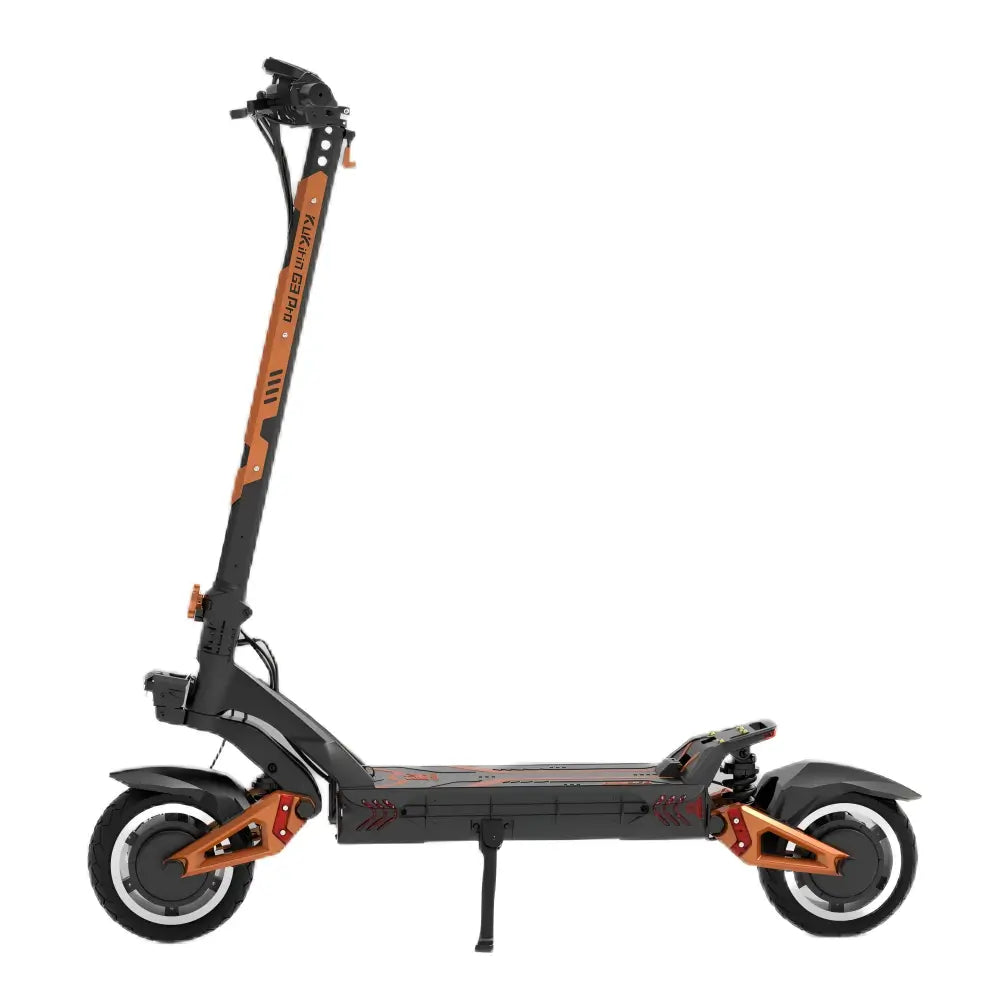

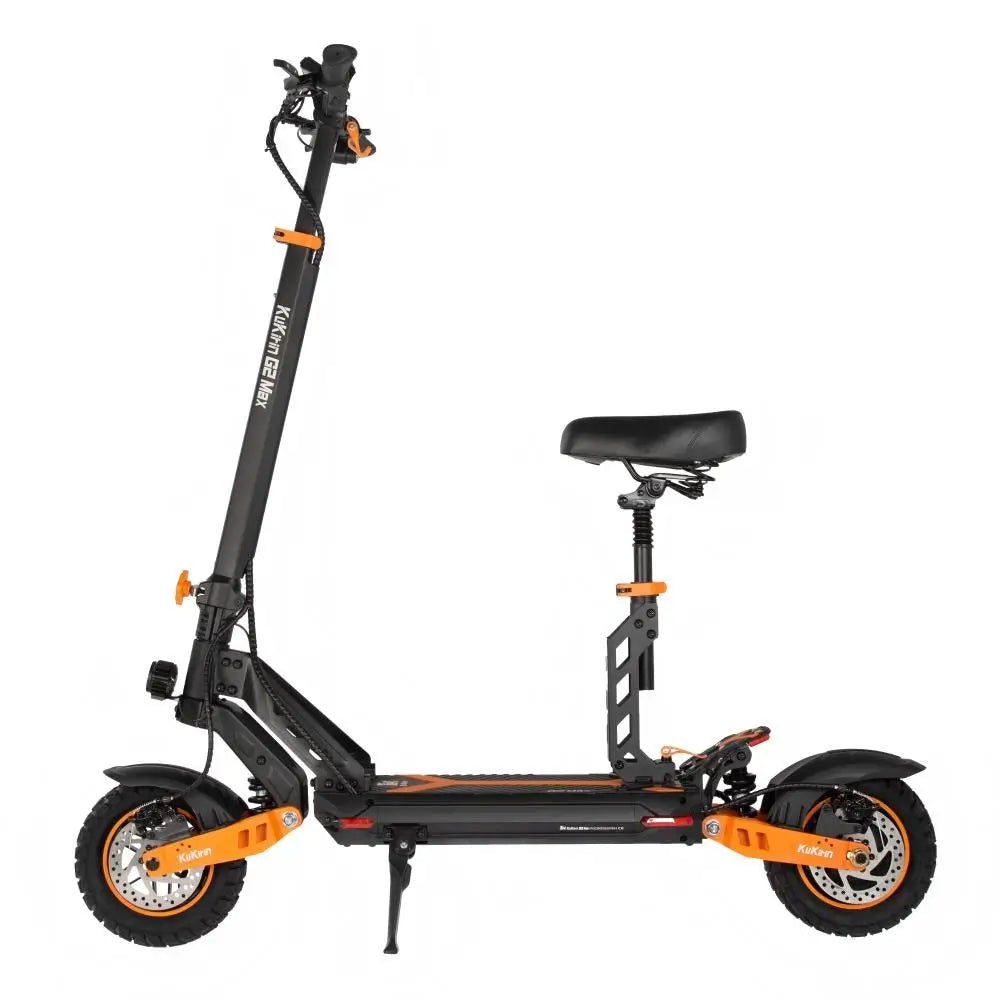




Spring Checkup: 7 Things to Inspect on Your Electric Scooter Before Summer

Winter storage is tough on any vehicle, and your electric scooter is no exception. As temperatures rise and the roads clear, it’s tempting to just hit the throttle and enjoy the sun. However, pulling your scooter out of winter hibernation without a proper inspection can lead to poor performance, reduced battery life, or even safety hazards.
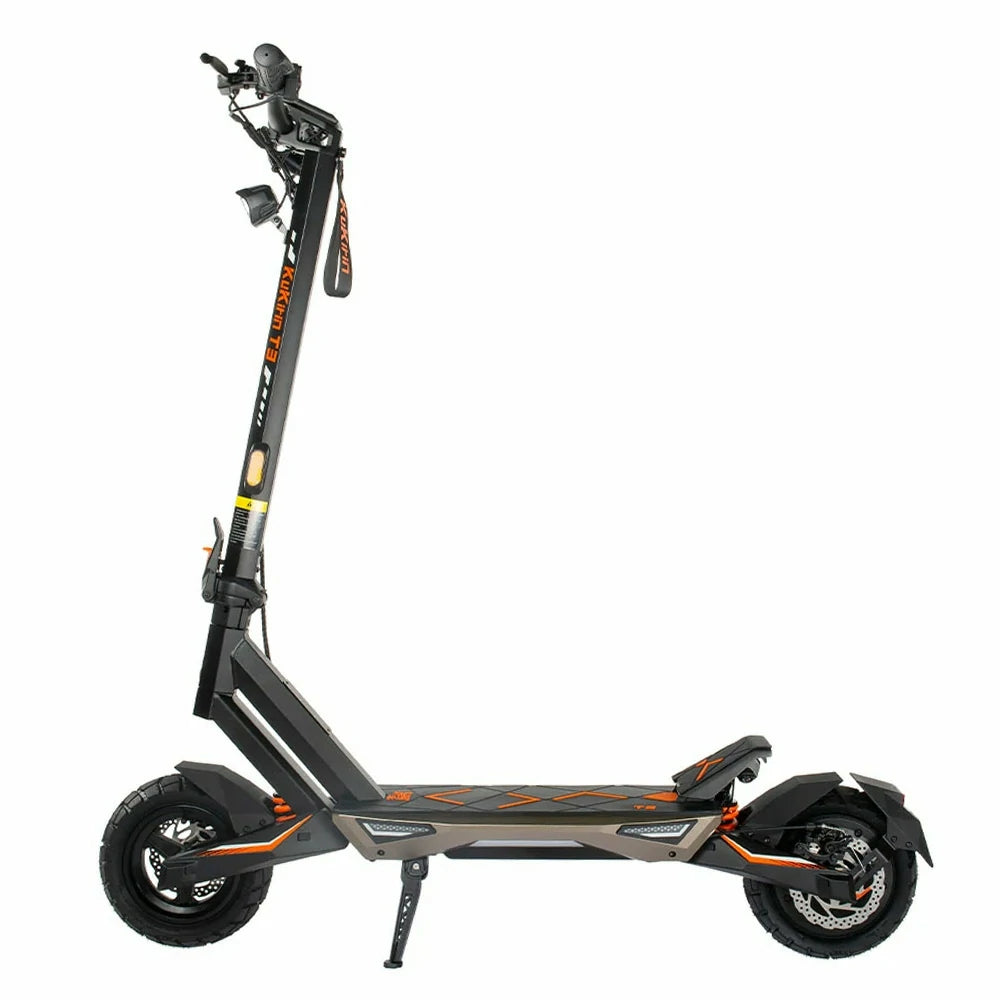
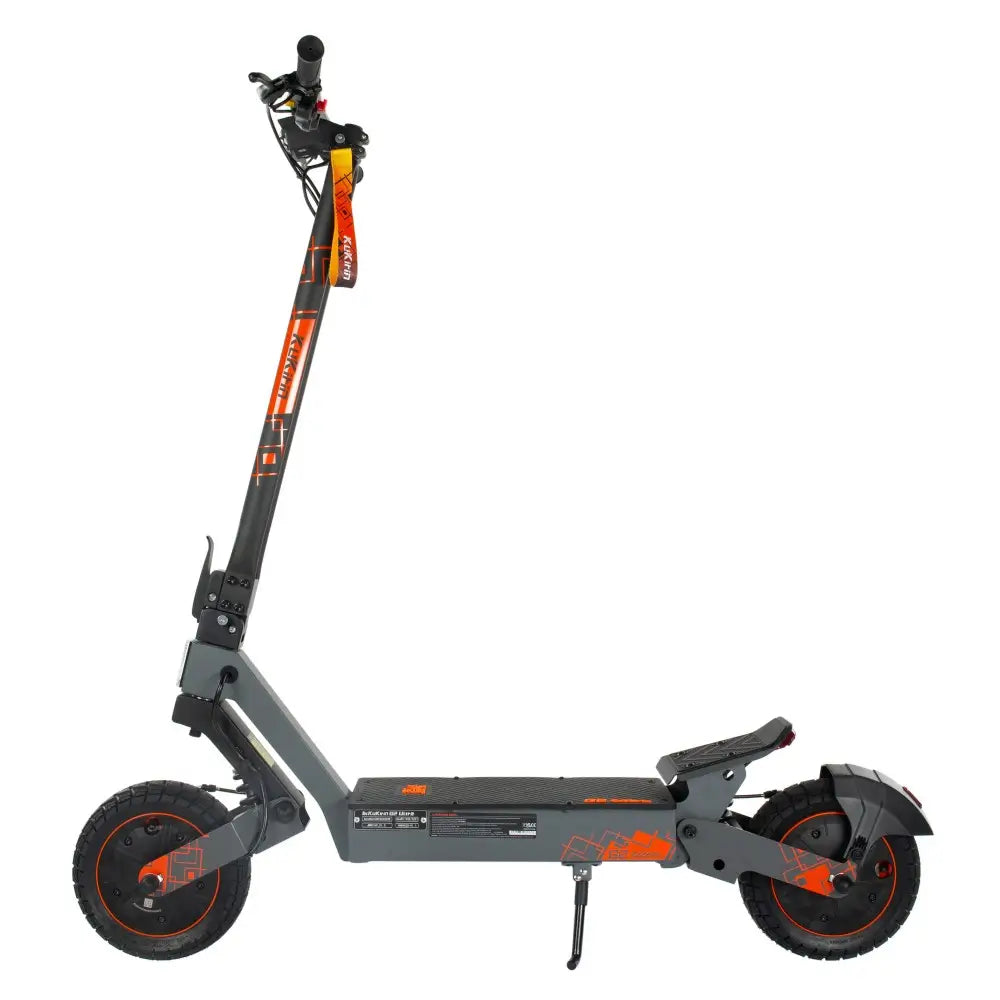
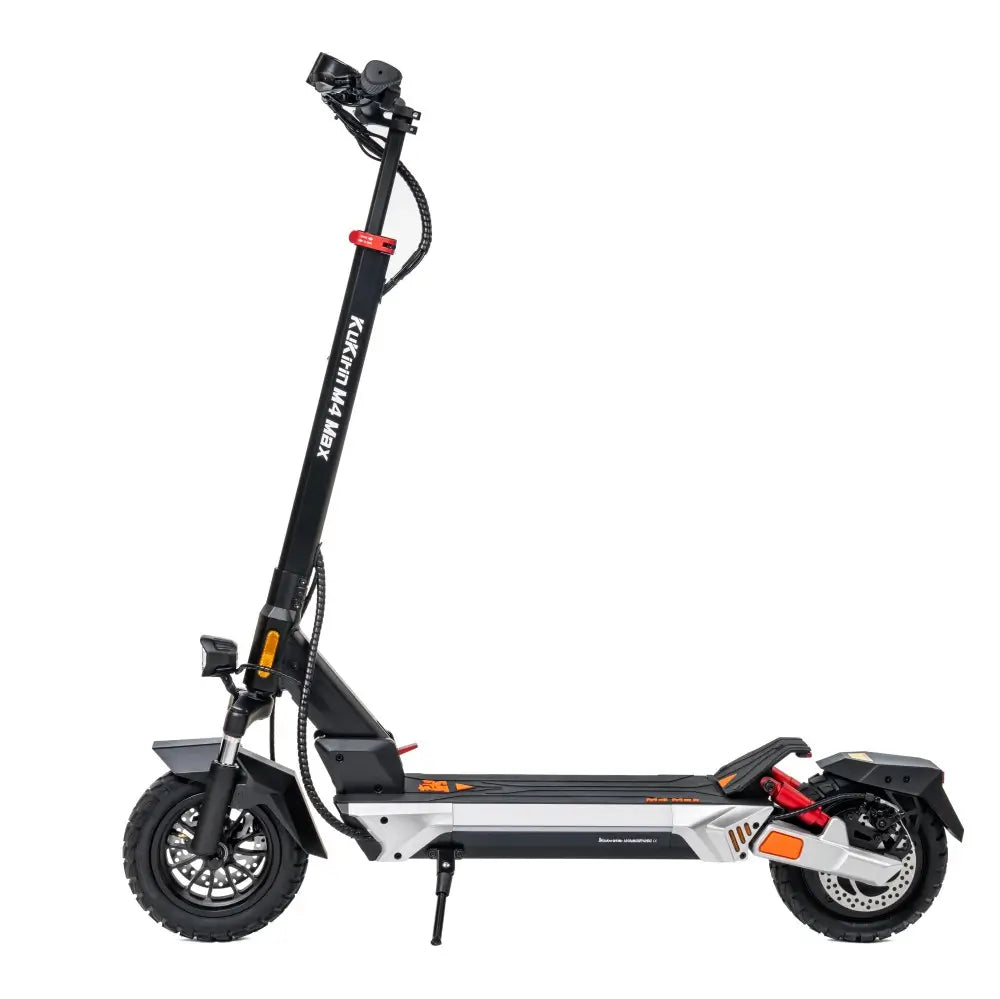
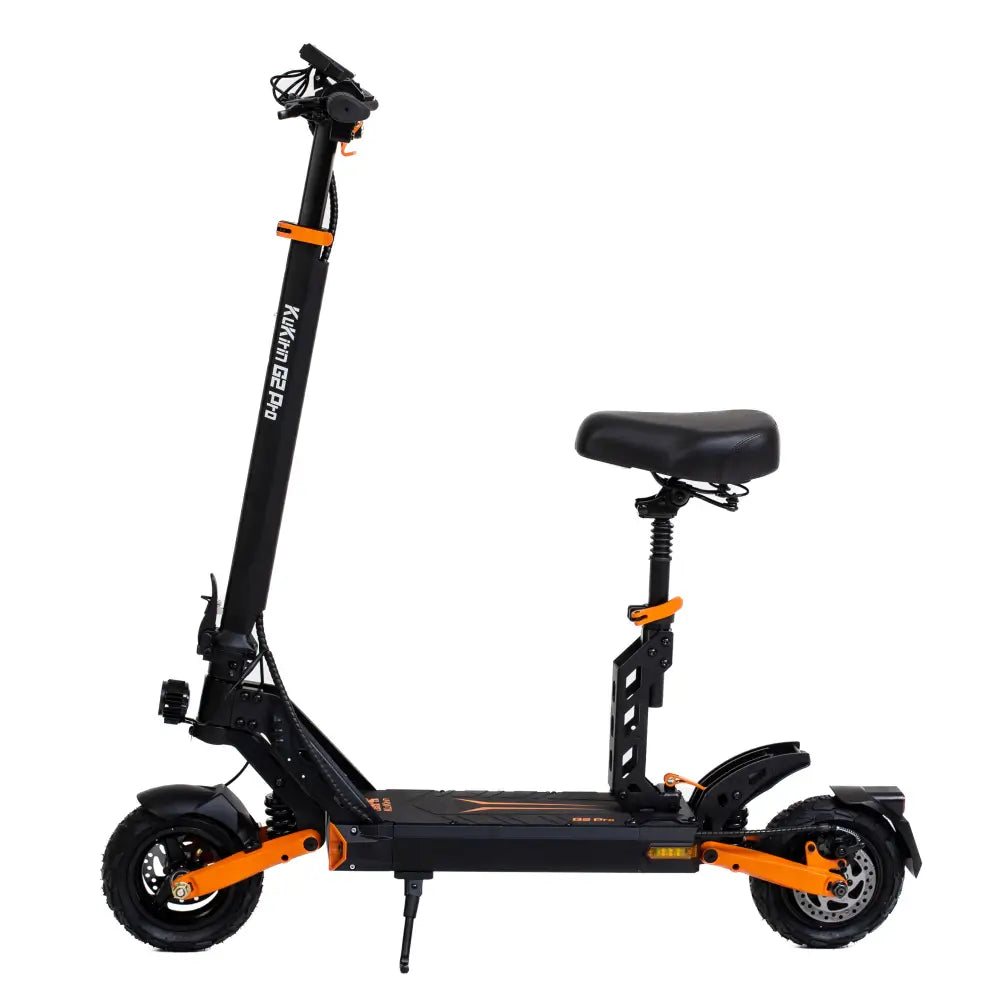
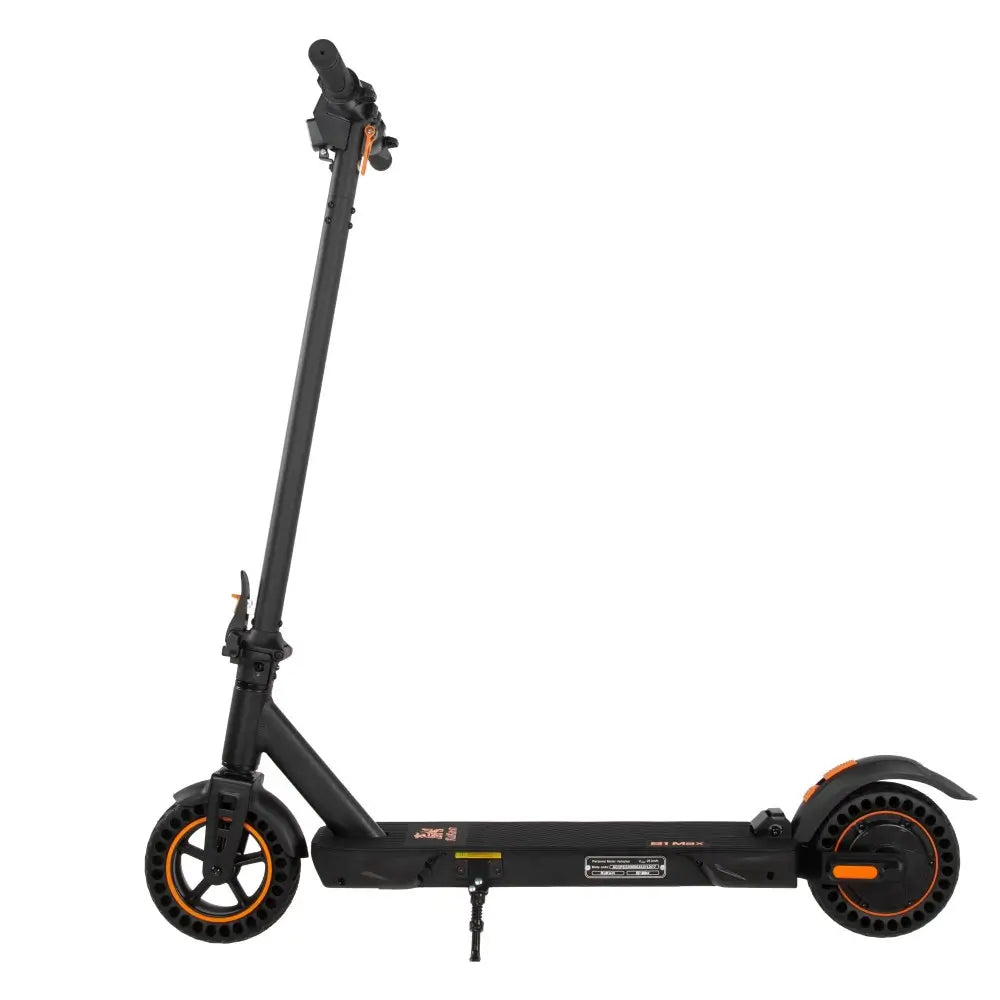
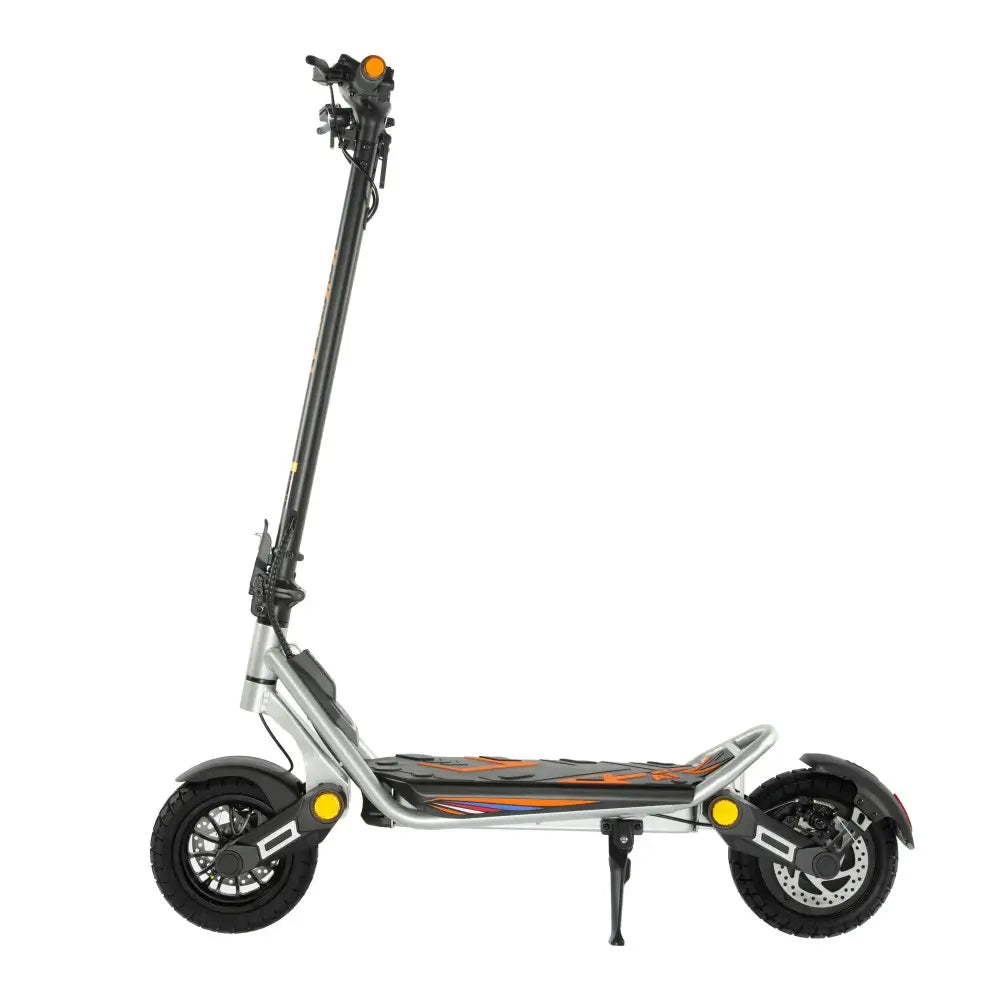
Based on the manufacturer specifications for high-performance models (like the KuKirin G series, A1, and M4 Max), here is a 7-point spring checkup to ensure your ride is safe, efficient, and ready for summer.
1. The Tire Pressure & Tread Check (The "Contact Patch")
After months of sitting, tires naturally lose pressure. Riding on under-inflated tires increases rolling resistance, drains your battery, and can damage the rims on potholes.
-
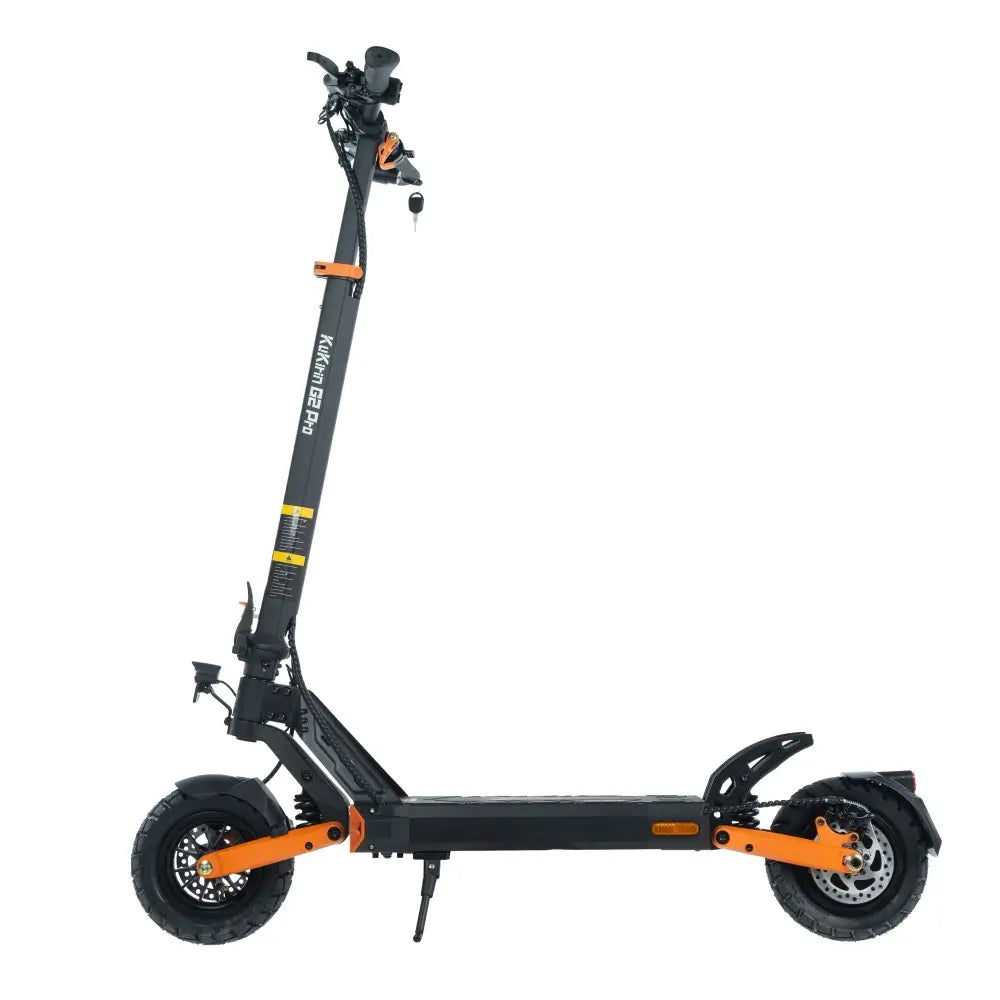
What to do: Use a pump (many scooters, like the G2 Pro, include one in the packing list). Inflate to the Optimum Tire Pressure listed in your manual.
-
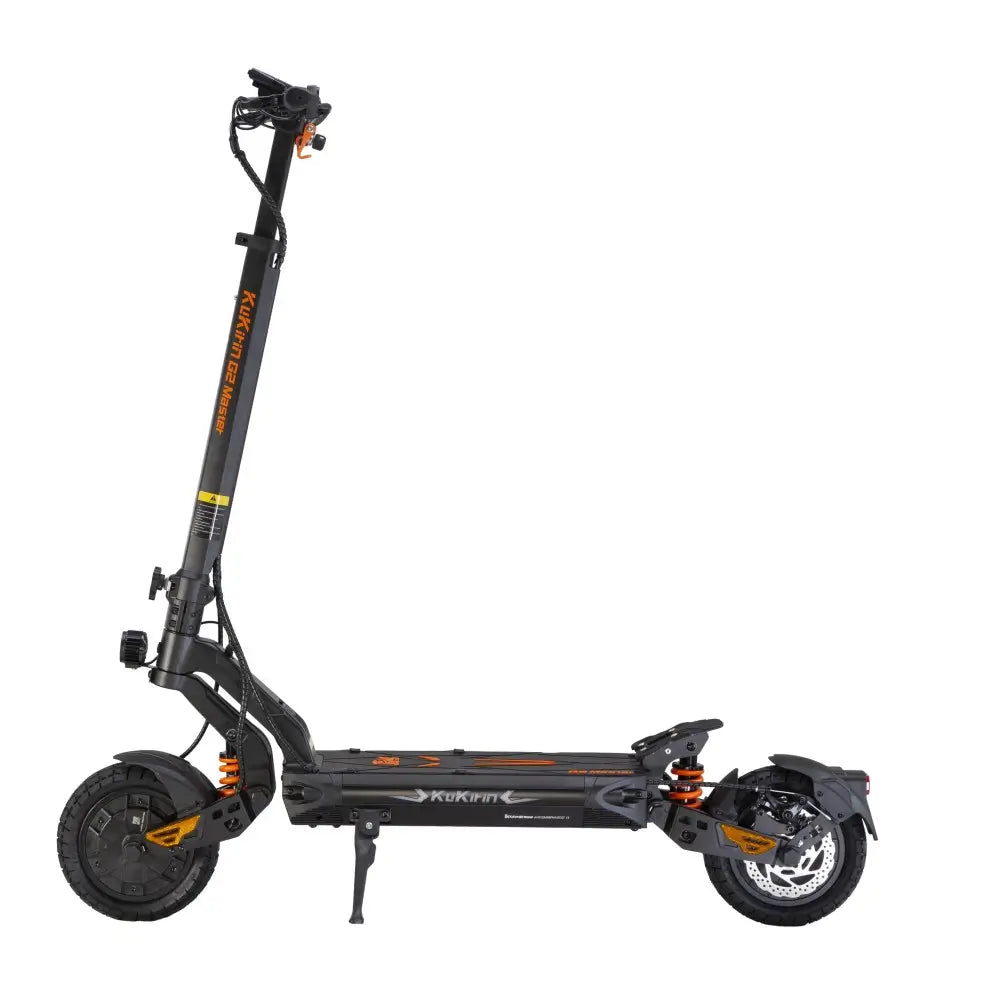
Example: KuKirin G2 Master requires 350 kPa (50 psi).
-
Example: KuKirin G2 Pro requires 340 kPa (50 psi).
-
-
Visual Check: Look for dry rot or cracks in the rubber. If your scooter has Vacuum tires (G2 Pro, G3) or Pneumatic tires (G2 Master), check for nails or glass.
2. Battery Health & Voltage (The Heart of the Scooter)
Cold temperatures can temporarily reduce voltage, but permanent damage appears in spring. Never charge a battery that is below freezing (0°C/32°F) right away; let it warm up first.
-
Voltage Check: Turn on the scooter and check the display.
-
48V systems (G2, A1, T3) should show a resting voltage around 54.6V when full.
-
52V systems (G3, G2 Master) should show around 58.8V.
-
60V systems (G4) should show around 67.2V.
-
-
The "Range" Test: Compare the current range to the spec sheet (e.g., G3 Pro claims ≤80km). If you are getting less than 50% of the original range, the battery cells may be aging.
3. Brake System & Stopping Distance
Safety specs vary by model, but all require a firm lever. Look at the Brake System type in your sheet (Front and rear disc brakes + e-brake is standard on most KuKirin models).
-
Mechanical Disc (G2 Pro/G3): Check the cable tension. The brake distance should be between 5-12m (G2 Pro) or 3-5m (G2 Pro VMP).
-
Hydraulic/Oil Disc (G3 Pro/G4 Max): Look for oil leaks around the calipers.
-
The Test: Spin the wheels by hand. They should spin freely without scraping sounds. Squeeze the brake lever; it should feel firm, not spongy or hitting the handlebar.
4. Suspension & Chassis Height
Winter potholes are brutal on suspension. Check the Shock absorber system type.
-
Spring Shock (G2 Pro/G2): Listen for creaking. Look for rust on the spring coil.
-
Hydraulic (G2 Master/G3 Pro): Look for oil residue leaking down the stanchions.
-
Ground Clearance: Measure your Chassis height (No load). For example, the G3 Pro has 180mm of clearance. If yours is lower, your shocks may be blown or the frame bent.
5. Fasteners & Folding Mechanism (The "Death Wobble" Prevention)
Vibration from riding loosens bolts over time. The G2 Master and G4 require specific torque on the folding lock.
-
Checklist:
-
Handlebar folding latch (should click tight).
-
Stem bolts (where the handlebar meets the pole).
-
Fender bolts (M4 Max includes specific rear fender screws).
-
-
Tip: Use the Tool provided in your original packing list (Allen wrenches) to tighten everything systematically.
6. Lighting & Visibility (Summer Nights)
Summer evenings mean riding at dusk. Ensure your Light System is functional.
-
Headlights: Check the Power (W) and angle. The G4 Max has a massive 15W / 130° beam covering 35㎡. If yours is dim, clean the dust off the LED lens.
-
Turn Signals & Taillight: Models like the G3 and G2 Master have Turn lights (Yes) . Verify that the taillight flashes when braking.
7. Motor & Acceleration Response
Moisture is the enemy of the Hall brushless DC motor.
-
Waterproofing: Most models are rated IP54 (Dust protected/Splashing water). This is not waterproof for submerging. Check the rear wheel hub for rust or moisture.
-
The "Idling" Test: Put the scooter on a crate. Hit the throttle (1st, 2nd, 3rd gear).
-
Listen for grinding bearings.
-
Ensure the speed matches the spec (e.g., G2 Ultra hits 50km/h under 75kg load).
-
Final Checklist Before You Ride
| Component | Quick Action |
|---|---|
| Tires | Pump to 45-50 PSI (check sidewall). |
| Brakes | Squeeze levers; ensure cut-off lights trigger. |
| Bolts | Tighten stem and folding mechanism. |
| Battery | Full charge; check for swelling. |
| Lights | Turn on headlights & signals. |
Safety Note: If your scooter supports a Speed Limit Mode (common in EU models like the G2 Ultra or G2 Pro), ensure it is set correctly for your local regulations before hitting the road.
Ride safe and enjoy the summer miles!