










Hand Signals for E-Scooter Riders: Communicating Safely on European Roads

Cars have turn signals. Motorcycles have turn signals. Most e-scooters have nothing but a brake light and, if you're lucky, a small indicator lamp that no driver notices at 50km/h.
That leaves you—the rider—as the only communication system between your scooter and the traffic around you.
Hand signals are the universal language of two-wheeled road users. Cyclists have used them for over a century. Drivers recognize them. Pedestrians understand them. And unlike electronic indicators, hand signals are visible from angles where lights are hidden.
This guide covers the standard signals every KuKirin rider should know, how they differ across European countries, and how to stay visible when you signal at night.

Why Hand Signals Matter More on a Scooter
E-scooters occupy an awkward space in traffic. They're faster than bicycles but smaller than motorcycles. Drivers often underestimate their speed and misjudge their intentions.
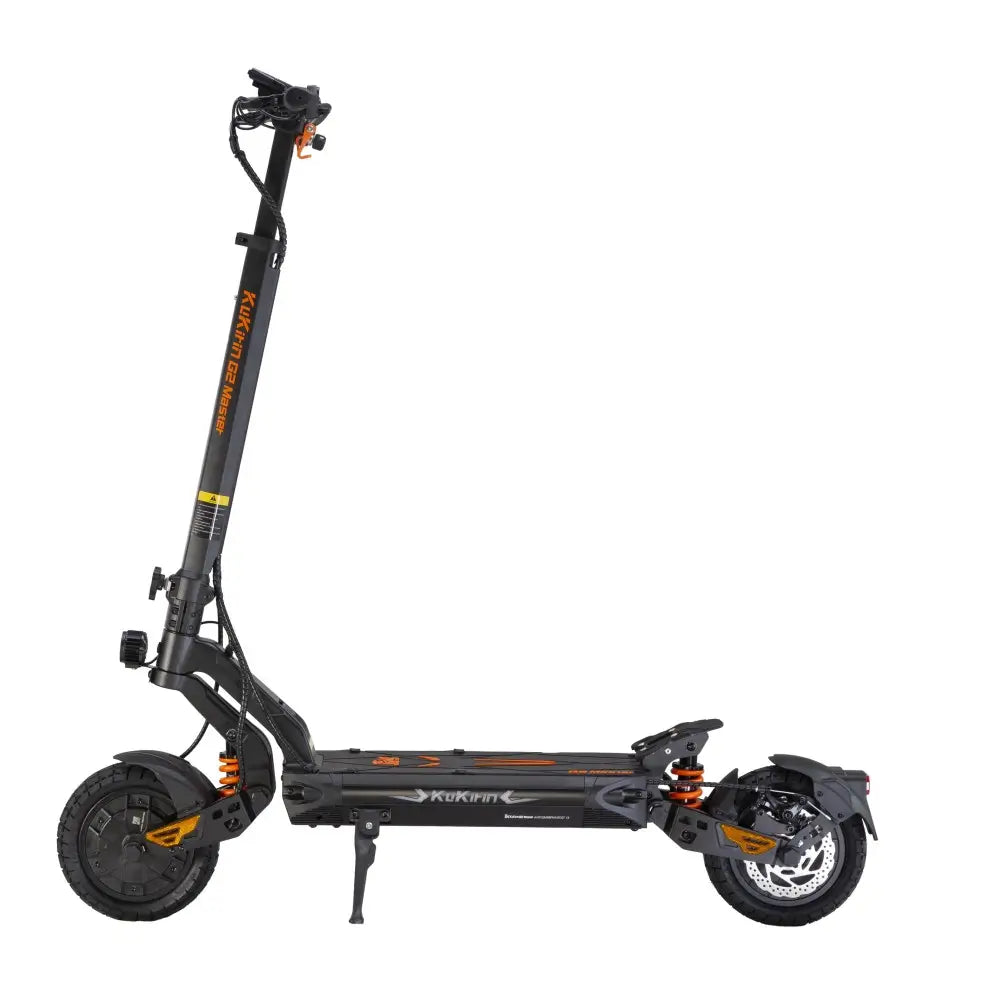
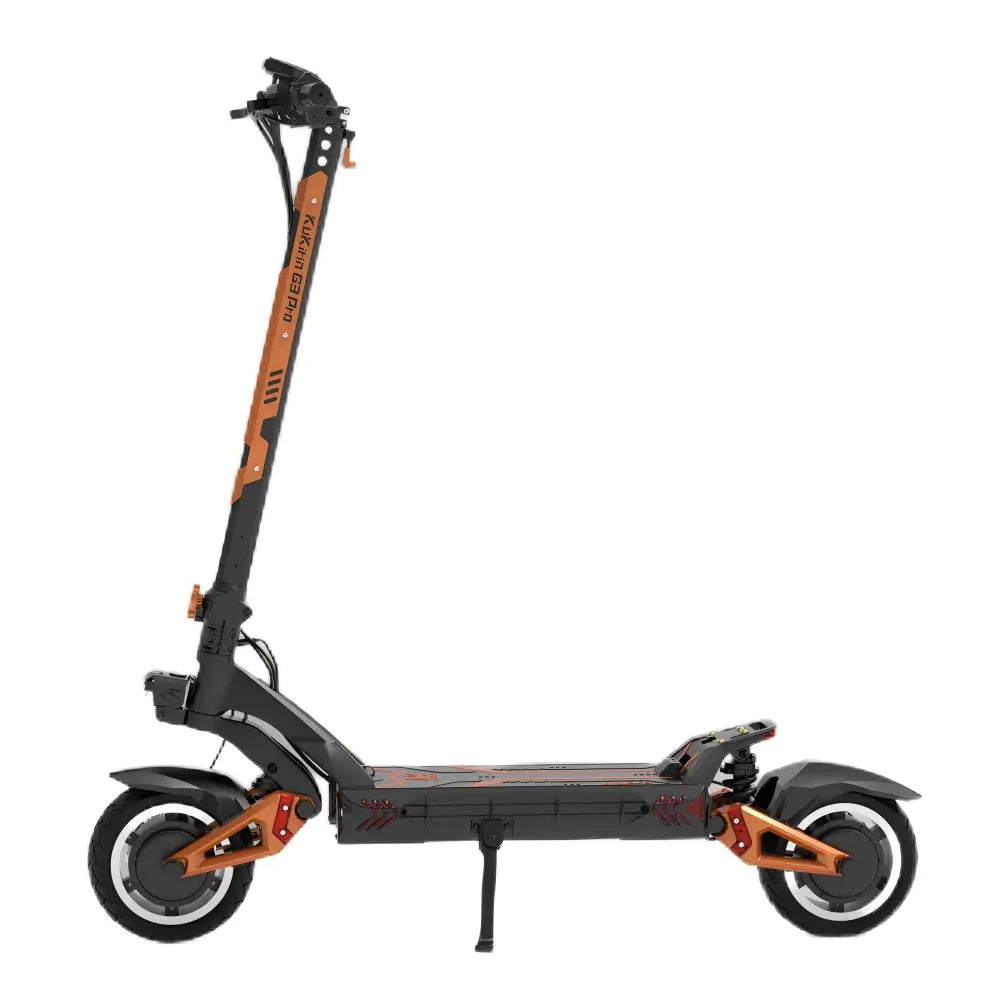
Electronic turn signals help—models like the KuKirin G3 Pro, G2 Master, and G4 Ultra include them. But turn signals have limits:
They're small. A scooter indicator is a few centimeters wide. At 20 meters, it's nearly invisible.
They're low. Scooter lights sit close to the ground, below the sightline of many drivers.
They're unfamiliar. Drivers know what a car turn signal looks like. They don't automatically associate a blinking light on a scooter with a turn.
Hand signals solve all three problems. They're large, they're at driver eye level, and they're universally recognized.
The Core Hand Signals Every Rider Should Know
Left Turn
How to do it: Extend your left arm straight out to the side, parallel to the ground.
When to use it: Any time you're turning left, changing to the left lane, or moving left to pass a parked vehicle.
Tips:
-
Hold the signal for at least 3 seconds before turning
-
Keep your right hand firmly on the handlebar
-
Make eye contact with drivers behind you if possible
Right Turn
How to do it: Two accepted methods exist.
Method 1 (right arm): Extend your right arm straight out to the side.
Method 2 (left arm, bent): Raise your left arm and bend it 90° at the elbow, hand pointing up. This is the traditional cycling signal used in countries with strong cycling culture.
Which to use: In Germany, the Netherlands, and Denmark, the bent left-arm signal is widely recognized. In Southern Europe, the right-arm signal is more commonly understood. When in doubt, use the right-arm signal for right turns—it's more intuitive for drivers.
Tips:
-
Signal early—at least 30 meters before the turn
-
If you need both hands for balance, signal briefly and return your hand to the bar
-
Combine the signal with a shoulder check
Slow Down or Stop
How to do it: Extend your arm downward at a 45° angle with your palm facing backward. Open and close your hand, or move the arm up and down gently.
When to use it: Approaching a stop sign, traffic light, or any situation requiring sudden deceleration.
Tips:
-
This signal is especially important when you're braking harder than traffic expects
-
Combine with your brake light if your scooter has one
-
Don't overuse it—reserve it for genuine slow-down situations

Obstacle Warning
How to do it: Point downward toward the obstacle—pothole, glass, debris—with your index finger.
When to use it: When riding in a group, or when a cyclist or scooter rider is behind you.
Tips:
-
Point clearly and briefly
-
Don't swerve while pointing—signal, then move
-
This signal is less recognized by drivers but highly valued by fellow riders
European Variations in Hand Signal Use
Hand signals are broadly similar across Europe, but local habits vary based on cycling culture.
Germany
German cycling culture is strong, and hand signals are widely understood by both riders and drivers. The bent left-arm signal for right turns is standard. German driver education includes hand signal recognition, so drivers respond predictably.
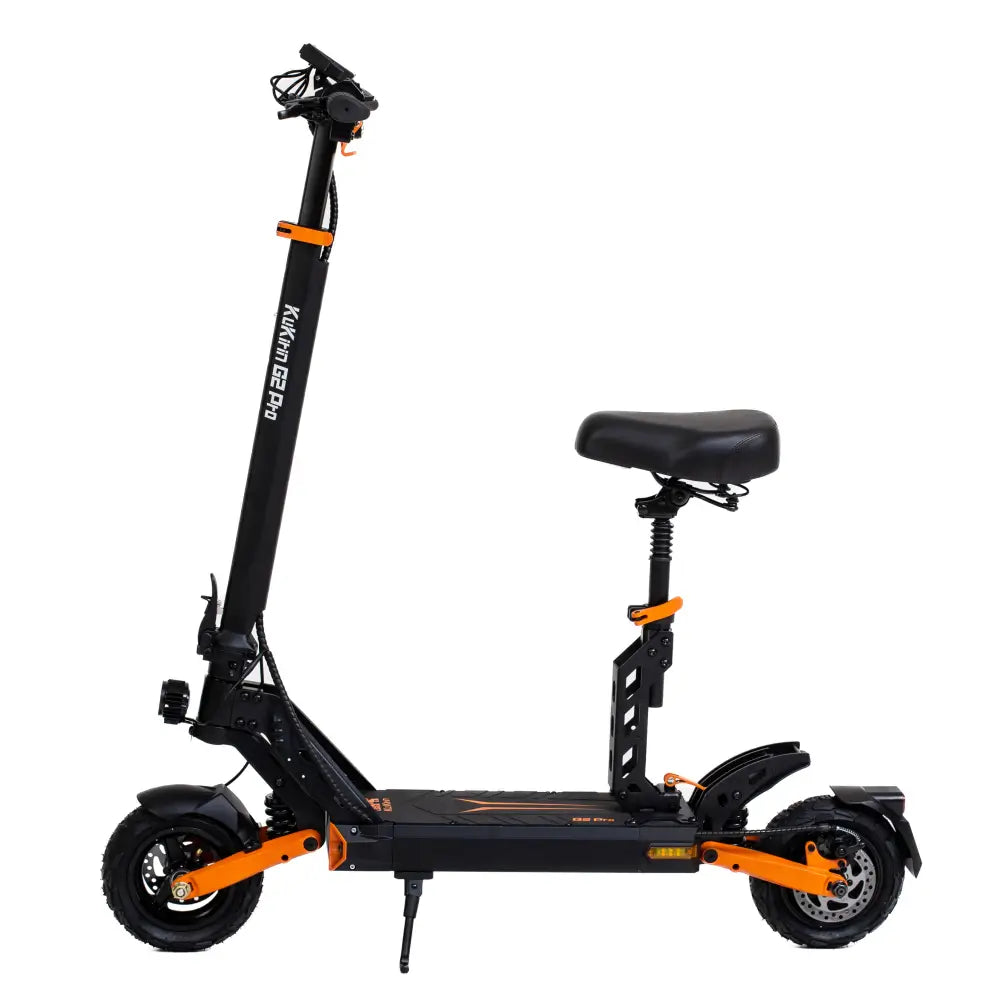
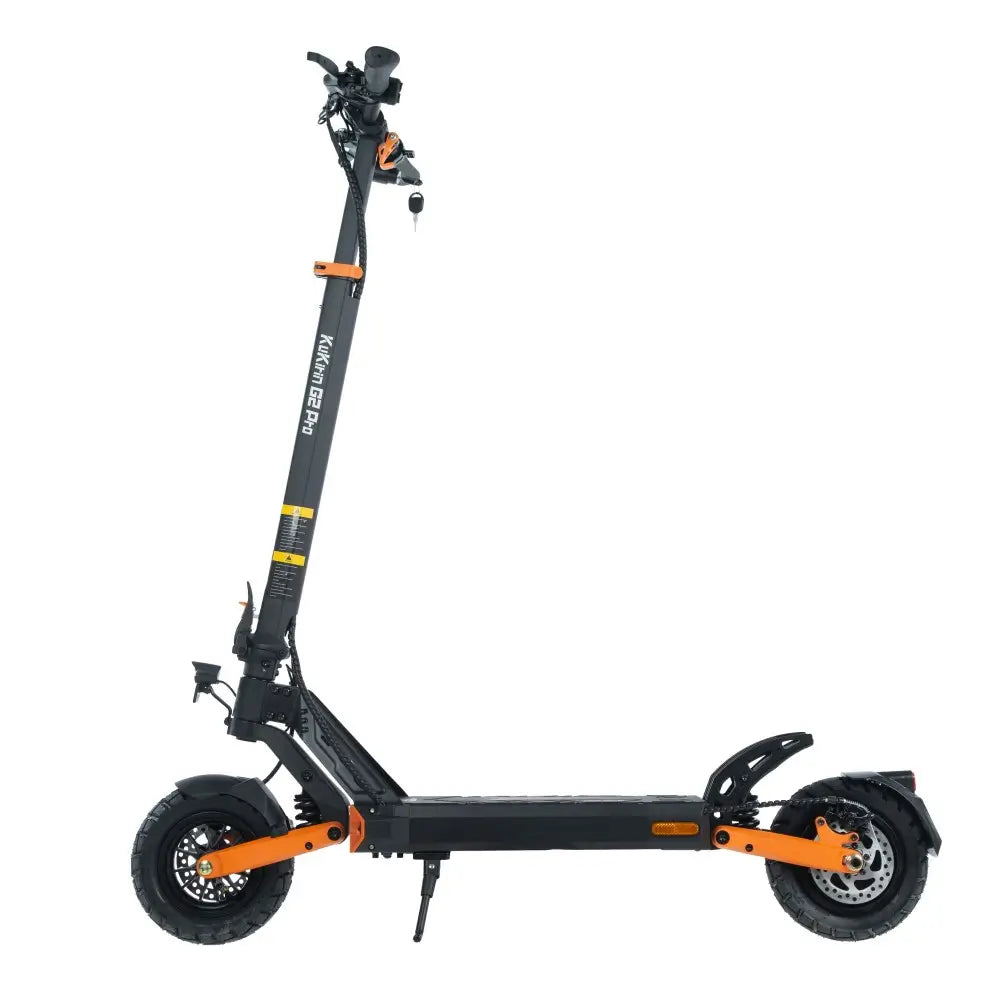
For KuKirin riders in Germany, especially those on ABE-certified models like the G2 Pro (ABE), using proper hand signals reinforces the scooter's status as a legitimate road vehicle.
Netherlands
The Netherlands has the most developed cycling infrastructure and culture in Europe. Hand signals are second nature to Dutch riders and drivers. The bent left-arm signal is standard for right turns.
Dutch drivers expect cyclists and scooter riders to signal. Failing to do so can create confusion and dangerous situations.
Denmark
Denmark's cycling culture rivals the Netherlands. Hand signals are taught in schools and widely used. Danish drivers are attentive to rider signals.
France
French hand signal use is less standardized than in Northern Europe. The right-arm signal for right turns is more common. French drivers are generally aware of cyclist signals but may not respond as predictably.
Spain and Italy
In Southern Europe, hand signal use is less consistent. Drivers are more accustomed to scooters and motorcycles using electronic indicators. Hand signals still work—they're just less expected.
For riders in these countries, combining hand signals with electronic indicators (if your KuKirin has them) provides the best communication.
United Kingdom
The UK uses the same core signals as continental Europe, with one distinction: the right-arm signal for right turns is standard (since cyclists ride on the left). Left turns are signaled with the left arm.
Making Your Signals Visible at Night
Hand signals work because they're visible. At night, that visibility depends on what you're wearing.
Reflective gloves. Cycling gloves with reflective patches on the back of the hand make signals visible to drivers from a distance.
Reflective arm bands. A simple reflective band around your wrist or forearm catches headlights and makes your signaling arm stand out.
Light-colored sleeves. Light colors reflect more light than dark colors. If you're signaling at night, a light jacket or sleeves help.
Signal earlier at night. Drivers need more time to process information in low light. Signal 50 meters before a turn instead of 30.
Combine with lights. If your KuKirin has turn signals, use both—hand signal and indicator light together.
Coordinating With Other Traffic
Signaling is only half the communication. Confirmation is the other half.
Make eye contact. When you signal a turn, look at the driver behind or beside you. If they make eye contact, they've seen you. If they don't, assume they haven't and proceed with caution.
Wait for acknowledgment. A driver who nods, waves, or slows down has acknowledged your signal. A driver who accelerates or maintains speed may not have seen you.
Don't assume right of way. Signaling doesn't give you priority—it announces your intention. You still need to yield when required.
Be predictable. Signal once, clearly, and then execute the maneuver. Repeated or hesitant signaling confuses other road users.
Watch for scooter-specific blind spots. Scooters are low. A driver in a tall SUV or truck may not see you even when you're directly beside them. Signal early and position yourself where you're visible.
Common Mistakes Riders Make With Hand Signals
Signaling too late. A signal 5 meters before a turn is useless. Signal 30-50 meters ahead, especially at speed.
Signaling too long. Holding a signal for a full block suggests you're about to turn but never do. Signal, maneuver, return your hand to the bar.
Signaling without looking. Always shoulder-check before turning, even after signaling. A signal doesn't clear the lane for you.
Using the wrong signal. Right-arm and bent-left-arm signals for right turns are both valid, but using them inconsistently confuses drivers. Pick one and use it consistently.
Forgetting to signal entirely. The most common mistake. Riders assume drivers know where they're going. Drivers don't.
Do You Still Need Hand Signals If Your Scooter Has Indicators?
Yes. Electronic indicators and hand signals serve different purposes.
Indicators are visible from behind, at a distance, and require no effort from the rider. They're excellent for continuous signaling.
Hand signals are visible from more angles, at driver eye level, and are universally recognized. They're excellent for making intentions unmistakable.
The best approach: use both. Activate your indicator, then add a hand signal for the final approach to your turn. This maximizes the chance that drivers see and understand your intention.
For riders who want a scooter with integrated turn signals, models like the KuKirin G3 Pro electric scooter and KuKirin G4 Ultra electric scooter include front and rear indicators as standard equipment.
Frequently Asked Questions
Are hand signals required by law for e-scooter riders in Europe?
Requirements vary by country. In many European countries, riders are required to signal turns. Even where not explicitly mandated, hand signals are strongly recommended for safety.
What is the correct hand signal for a right turn?
Two methods are accepted: extending your right arm straight out, or raising your left arm and bending it 90° at the elbow with your hand pointing up. The bent left-arm signal is standard in Northern European cycling cultures.
How do I signal a stop on an e-scooter?
Extend your arm downward at a 45° angle with your palm facing backward. Open and close your hand or move the arm gently up and down to draw attention.
Do hand signals work at night?
Yes, if they're visible. Wear reflective gloves or arm bands, use light-colored sleeves, and signal earlier than you would during the day.
Should I use hand signals if my scooter has turn signals?
Yes. Use both. Electronic indicators are visible from behind; hand signals are visible from more angles and at driver eye level. Combining them maximizes communication.
What's the most common hand signal mistake riders make?
Signaling too late. A signal just before a turn gives drivers no time to react. Signal 30-50 meters ahead of your maneuver.