





First-Time E-Scooter Rider? Essential Safety Tips for European Streets

Introduction: Excitement Meets Responsibility
You just bought your first electric scooter. Congratulations! The freedom of gliding through the city, skipping traffic, and arriving at work fresh is an incredible feeling.
But here is the reality: riding an e-scooter is not like riding a bicycle. The smaller wheels, higher centre of gravity, and instant acceleration make them more sensitive to input and road conditions. According to recent data, e-scooter accidents increased significantly across Europe in 2025.
The good news? Most accidents are preventable. This guide covers everything you need to know to stay safe on European streets — from essential gear to pre-ride checks to city-specific hazards.
Essential Safety Gear
1. Helmet — Your Most Important Investment
| Helmet Type | Best For | Certification |
|---|---|---|
| Cycling helmet | City commuting, up to 25 km/h | CE EN 1078 |
| Full-face helmet | High-speed models (45 km/h+), off-road | ECE 22.05 or DOT |
A CE EN 1078 certified helmet is the minimum standard for European cycling and e-scooter use. It covers the top, back, and sides of your head. Many European countries recommend or mandate helmets.
Quick tip: Replace your helmet every 3-5 years or after any significant impact. The foam degrades over time and may not provide adequate protection in a crash.
2. Reflective Vest — Especially in Winter
In many European countries, wearing a reflective vest while riding an e-scooter is mandatory outside urban areas or at night . Even where it is not required, it is highly recommended.
| Season | Why It Matters |
|---|---|
| Summer | Daylight extends to 9-10pm — less need for reflective gear |
| Winter | Dark mornings and evenings — reflective vest is essential |
| Rainy days | Reduced visibility for all road users — wear high-vis |
Bonus: Many KuKirin models come with built-in front LED headlights and taillights, but reflective gear adds an extra layer of visibility.
3. Gloves
Gloves protect your hands in a fall and improve grip, especially in cold or wet weather. Look for gloves with reinforced palms and good knuckle protection.

Pre-Ride 60-Second Safety Check
Before every ride, take 60 seconds to check five critical areas:
1. Tyre Pressure
| Model | Recommended Pressure |
|---|---|
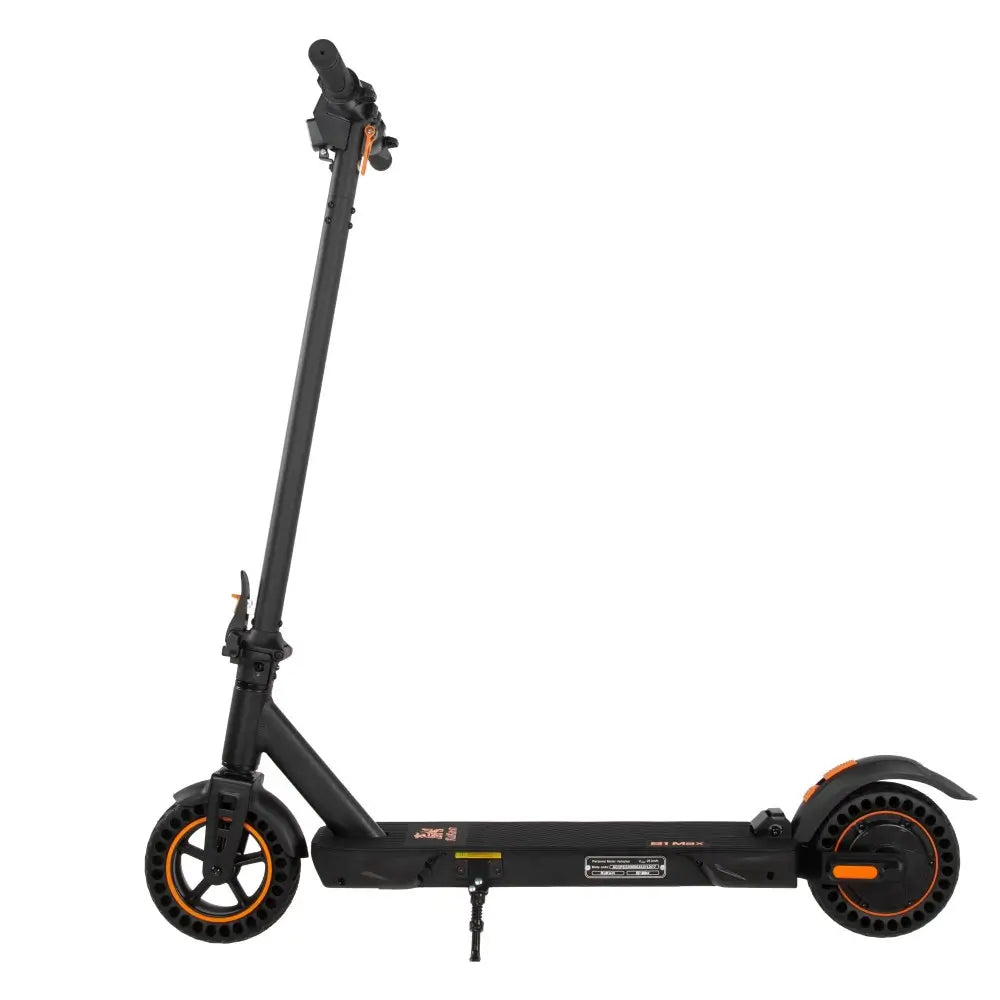
| S1 Max | No inflation needed (honeycomb tyres) |
| A1 | 330–360 kPa (48–53 psi) |
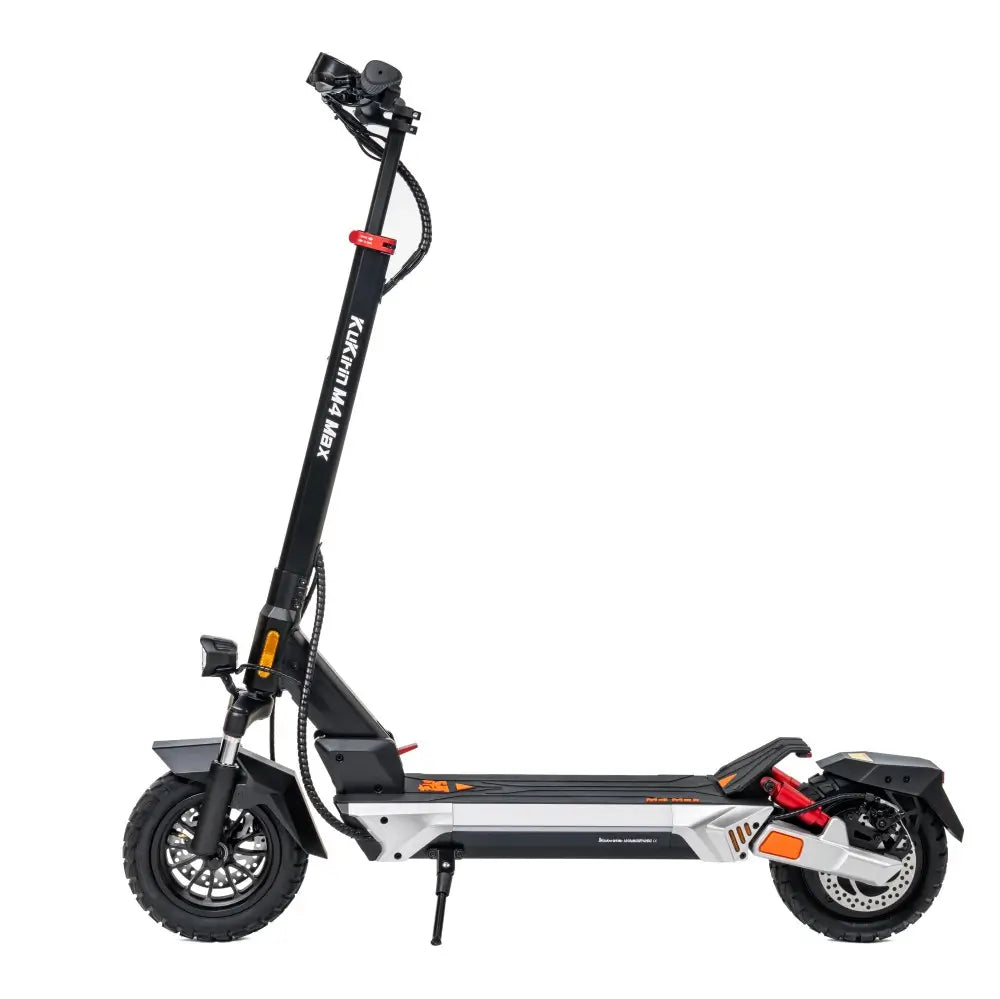
| M4 Max | 250 kPa (36 psi) |
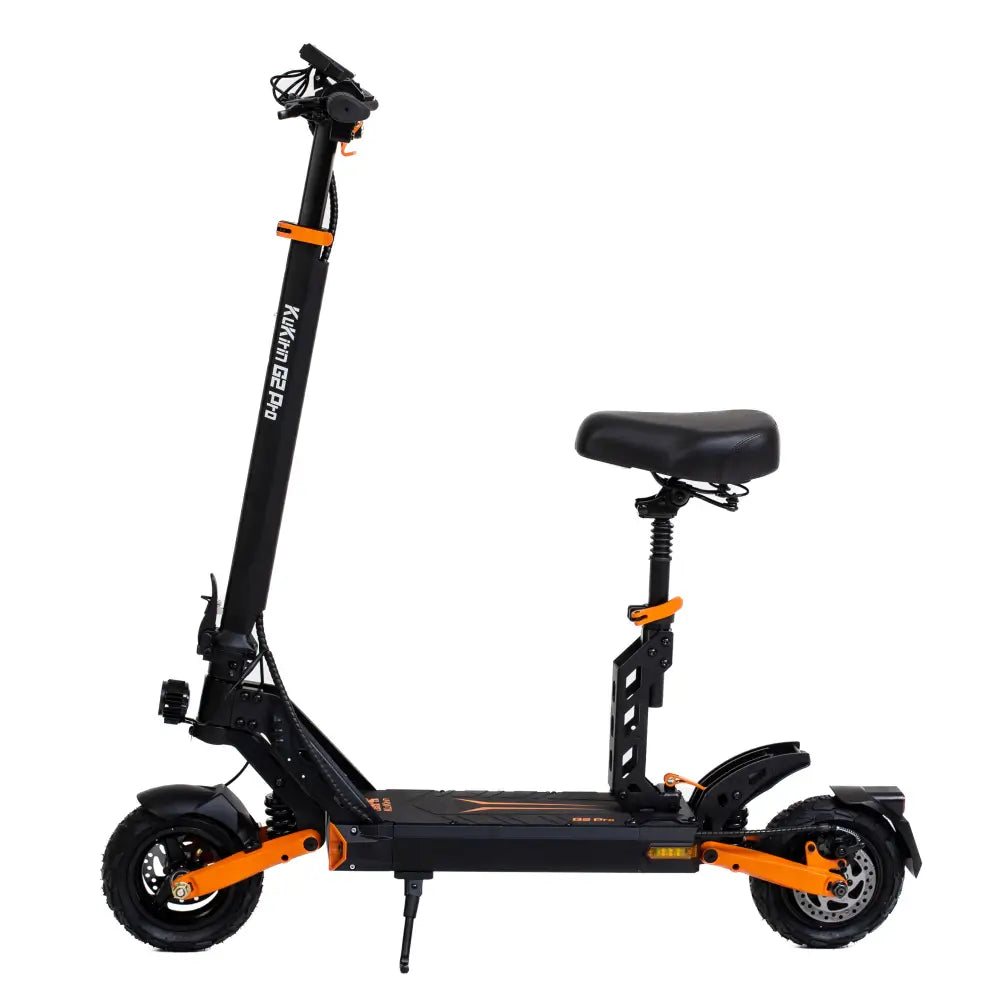
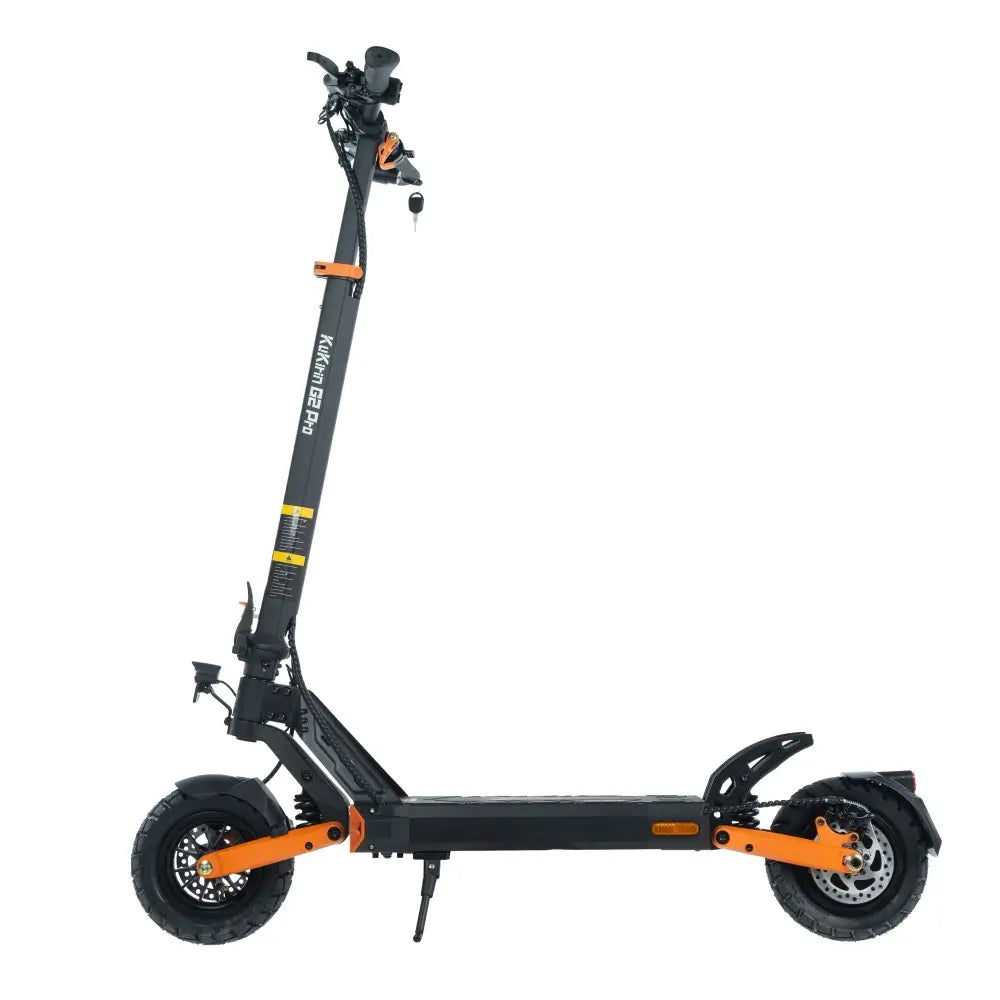
| G2 Pro | 340 kPa (50 psi) |
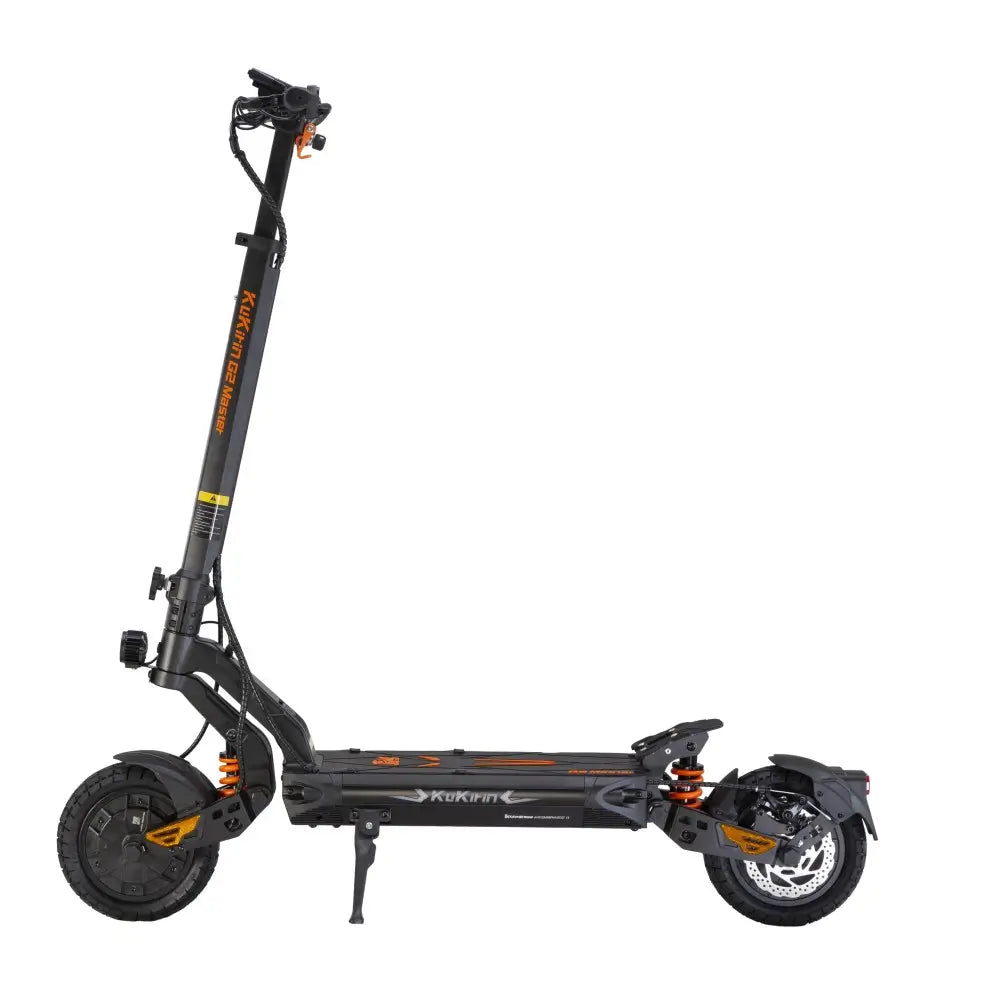
| G2 Master | 350 kPa (50 psi) |
Under-inflated tyres reduce range, increase puncture risk, and make steering heavier .
2. Brakes
-
Squeeze both brake levers. Do they feel firm?
-
Does the scooter stop smoothly when you push it and brake?
-
Listen for grinding or squeaking noises.
3. Lights
-
Turn on the headlight and taillight
-
Check that both are working
-
Note that some KuKirin models have taillights that activate automatically when the headlight is on
4. Folding Mechanism
-
Ensure the folding latch is fully locked
-
Try to fold the scooter — if it moves, it is not secure
-
Check that all screws are tight
5. Battery Level
-
Never start a ride with less than 30% charge
-
Low battery can reduce motor power, making hill starts harder
Basic Riding Techniques for Beginners
1. Starting and Balancing
-
Place one foot on the deck, push off gently with the other foot
-
Keep your weight centred over the deck
-
Do not start accelerating until you are balanced and moving at walking speed
2. Turning and Cornering
-
Look where you want to go — your body will follow
-
Do not lean like on a motorcycle — keep your body upright and lean the scooter slightly
-
Slow down before entering the turn, not during
3. Braking — The Two-Hand Rule
-
Use both brakes together for the shortest stopping distance
-
Shift your weight back slightly as you brake to prevent going over the handlebars
-
Brake earlier than you think you need — 2-3 metres extra is safe
| Brake Type | Best For |
|---|---|
| Rear brake | Gentle slowing, control |
| Front brake | Strong stopping power |
| Both brakes | Emergency stops (most effective) |
4. Avoiding Obstacles
-
Scan the road 5-10 metres ahead
-
Spot obstacles early and slow down
-
If a pothole or obstacle is unavoidable, approach it at a right angle and relax your arms to absorb the impact

Common Beginner Mistakes
❌ Mistake 1: Accelerating Too Hard
Sudden acceleration makes the scooter unstable. The front wheel lifts slightly, reducing steering control. Twist the throttle gently — smooth is safe.
❌ Mistake 2: Gripping the Handlebars Too Tightly
Tight grip does not give you more control — it transmits every bump and vibration into your arms. Hold the handlebars firmly but loosely, like holding a small bird.
❌ Mistake 3: Not Checking the Road Surface
Look ahead, not down. Watch for:
-
Manhole covers — slippery when wet
-
Tram tracks — cross at 90 degrees
-
Painted cycle lanes — extremely slippery in rain
-
Cobblestones — reduce speed and keep weight back
European City-Specific Hazards
Paris — Cobblestones and Narrow Streets
Montmartre and Le Marais have beautiful but treacherous cobblestones. Slow down to under 15 km/h on cobblestones. Keep your knees slightly bent to absorb vibrations.
London — Wet Roads and Busy Traffic
London's constant drizzle makes roads slick. Increase your following distance to 5-10 metres. Avoid braking suddenly on wet painted road markings.
Amsterdam — Trams and Bicycles
Tram tracks are everywhere. Always cross tram tracks at a perpendicular (90-degree) angle. Never ride between the tracks. Watch for cyclists who have right of way in many areas.
Berlin — Wide Streets, Fast Traffic
Berlin's wide boulevards tempt riders to go fast. Stick to the cycle paths. Watch for turning vehicles at intersections. Use your turn signals if your model has them.
Rome — Aggressive Traffic, Ancient Roads
Traffic in Rome is chaotic. Ride defensively. Assume drivers do not see you. Use your horn (if equipped) to signal your presence in tight spots.
Night Riding and Rain Riding
Night Riding
| Requirement | Why |
|---|---|
| Front light | See and be seen |
| Rear light | Make yourself visible from behind |
| Reflective vest | Mandatory in many countries outside urban areas |
| Avoid dark clothing | You are invisible to drivers without reflectives |
Rain Riding
-
Reduce speed by 50%
-
Double your braking distance
-
Avoid puddles deeper than 2 cm
-
Never charge your scooter immediately after rain — wait 12 hours and dry thoroughly
Frequently Asked Questions (FAQ)
Q1: Do I need a helmet to ride an e-scooter in Europe?
Helmet rules vary by country. Denmark requires helmets for everyone. Sweden and Norway require them for under-15s. France and Spain recommend but do not mandate for adults . Always check your local laws and wear one anyway — it is the best protection you can have.
Q2: What is the CE EN 1078 helmet standard?
It is the European safety standard for cycling helmets. It ensures the helmet provides adequate protection for impacts up to approximately 25 km/h. Look for this certification when buying a helmet.
Q3: How do I brake safely on an e-scooter?
Use both brakes together. Shift your weight back slightly. Squeeze the levers gradually — do not grab them suddenly. Practice emergency braking in a safe, empty area.
Q4: Can I ride my KuKirin scooter on the pavement?
In most European countries, e-scooters are not allowed on pavements. Ride on cycle paths or the road. Some countries allow riding on the road without a cycle path. Check your local rules.
Q5: What should I do if I fall off my scooter?
If you are injured, seek medical attention immediately. If you are uninjured, move yourself and the scooter to a safe location. Check the scooter for damage — especially the folding mechanism, brakes, and handlebars. Do not ride if you suspect any damage.
Q6: Is the S1 Max a good scooter for beginners?
Yes — the S1 Max is an excellent beginner scooter. It has a top speed of 25 km/h, weighs only 16 kg, and has honeycomb tyres that never go flat. Its 39 km range is sufficient for most city commutes.
Q7: How do I cross tram tracks safely?
Always cross tram tracks at a 90-degree angle. Crossing at a shallow angle can cause your tyres to slip along the track, leading to a fall. If in doubt, get off and walk across.
Q8: Do KuKirin scooters have turn signals?
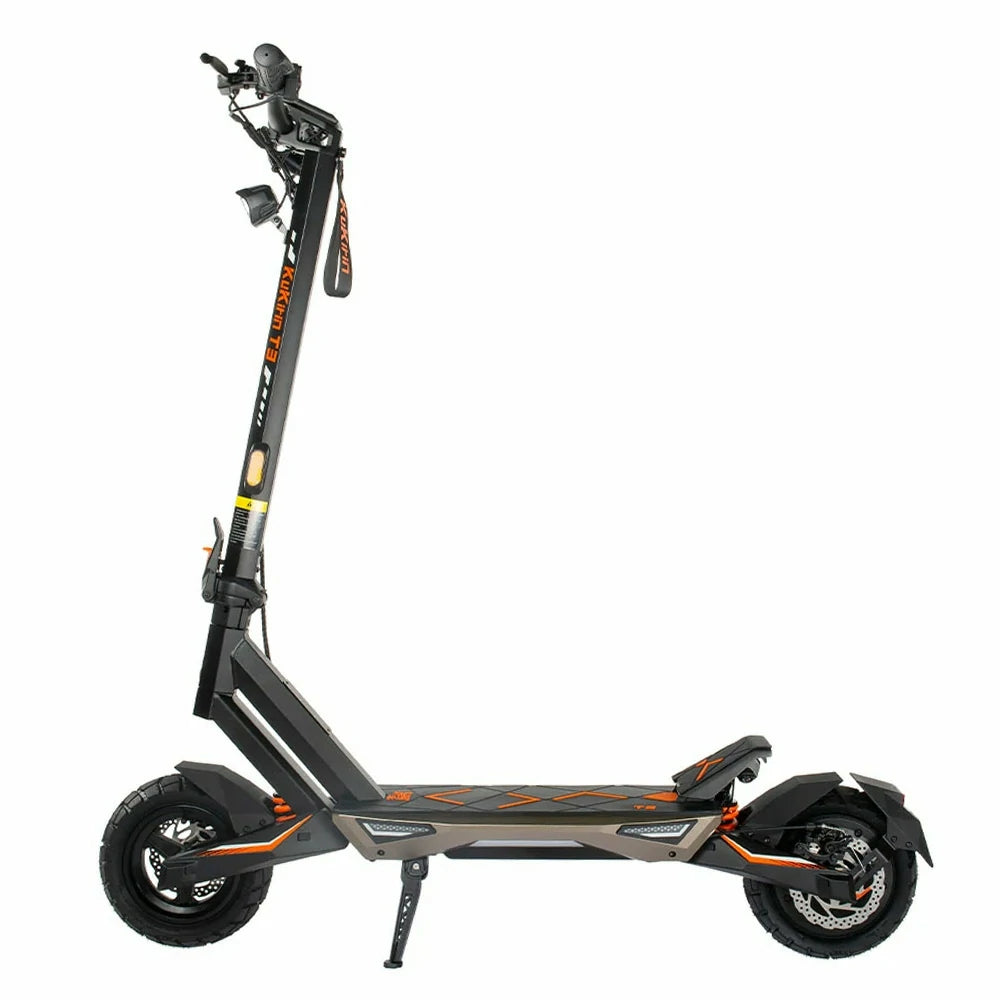
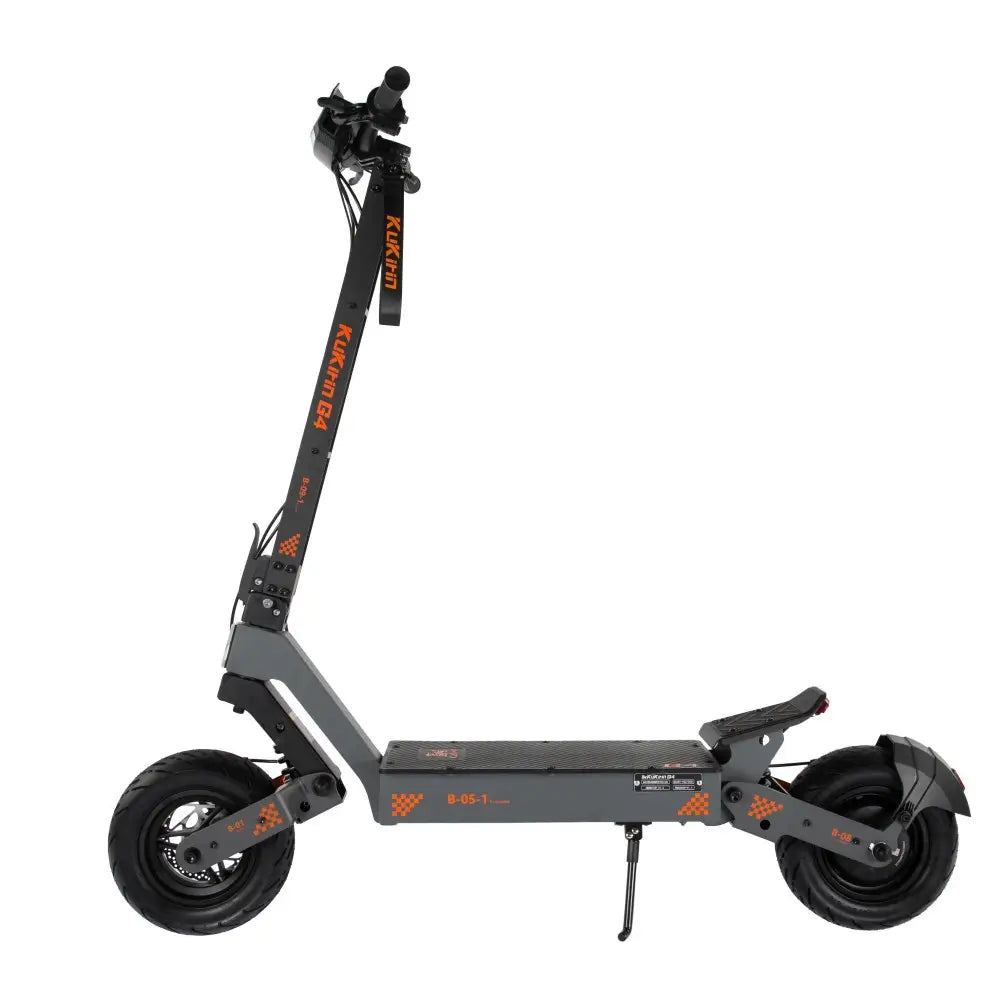
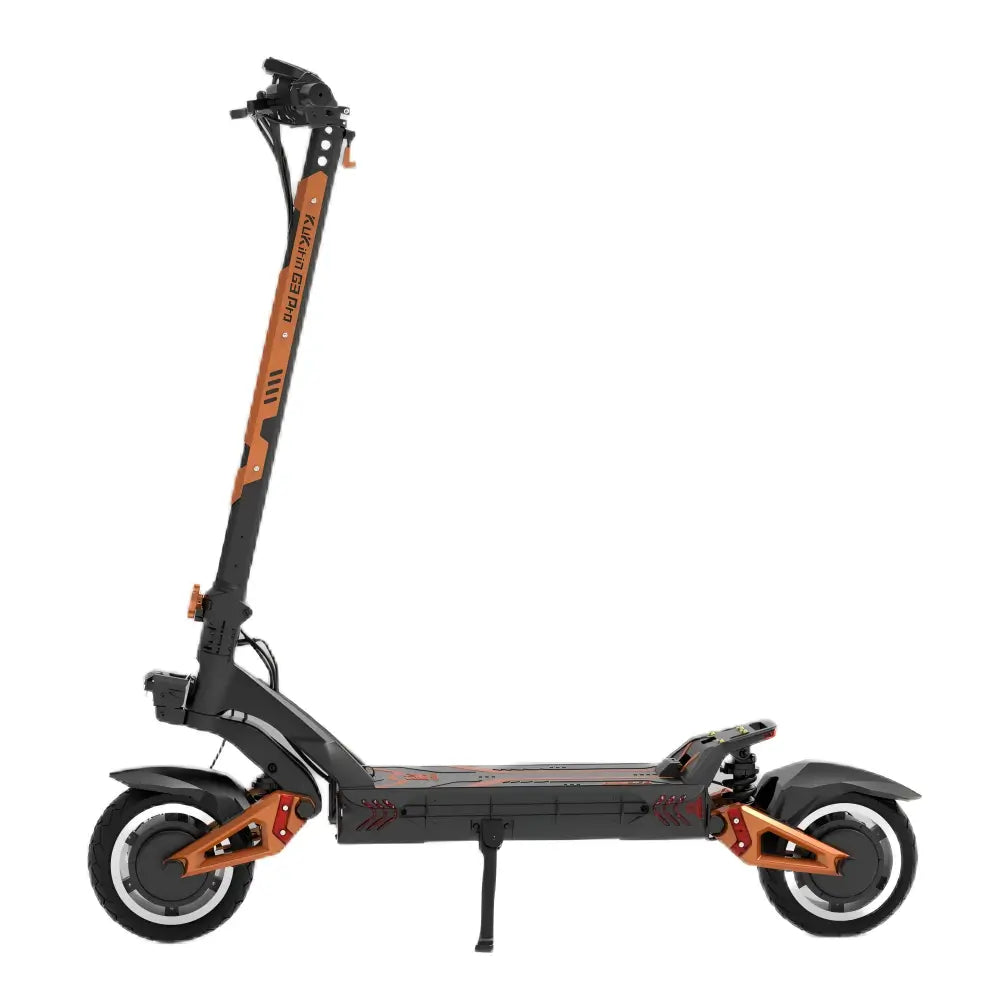
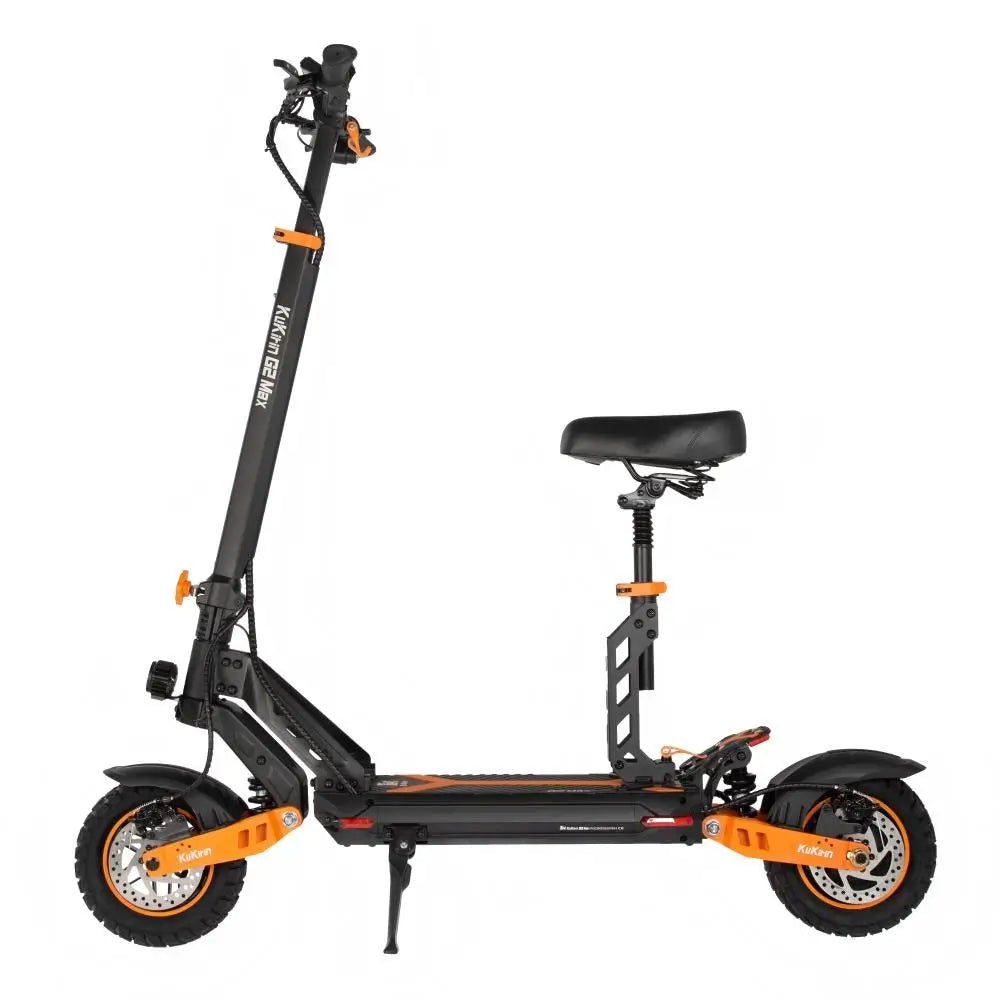
Some models do. The G2, G2 Pro, G2 Max, G2 Master, G3 Pro, G4, M4 Max, T3, and A1 have turn signals . The S1 Max does not. Use hand signals if your scooter does not have turn signals.
Conclusion: Start Safe, Ride Confident
Your first few rides on an e-scooter should be about building confidence, not breaking speed records.
| Stage | Focus |
|---|---|
| First 5 rides | Balance, braking, turning at slow speed |
| Next 5 rides | Traffic awareness, scanning for hazards |
| After 10 rides | Building speed gradually, confident cornering |
The S1 Max is the perfect scooter to start with — lightweight, easy to control, and compliant with European speed limits. Once you have mastered the basics, you can consider faster models like the G2 Pro or M4 Max.
Ride safe. Ride smart. Welcome to the world of e-scooters.