










Does Standing Riding Count as Exercise? Heart Rate & Calorie Data

Electric scooters are often criticized as “lazy mobility.” You twist a throttle, the motor does the work, and you arrive at your destination without breaking a sweat.
But that perspective misses the reality of standing on a moving platform.
While the motor handles propulsion, your body doesn‘t just sit back and relax. Maintaining balance on a vibrating deck for 30 to 45 minutes requires continuous muscle engagement. Your core tightens, your legs absorb shock, and your arms manage the handlebars.
It’s not a spin class. But it‘s not sitting on a couch either. This guide breaks down the heart rate changes, calorie burn, and actual physical demands of standing scooter riding.

The Muscle Engagement of Standing Riding
When you stand on a KuKirin, your body is constantly making micro-adjustments. You aren’t actively lifting weights, but you are engaging a specific set of muscles.
The Core: Your abdominal and lower back muscles work continuously to keep your torso upright and balanced against the scooter‘s acceleration and deceleration.
The Legs and Ankles: Your calves and ankles act as the suspension system for your body. They absorb road vibration and micro-correct for every slight shift in the deck.
The Arms and Shoulders: Your arms aren’t just resting. They manage the steering, and your shoulders remain engaged to stabilize the handlebars.
This is classified as isometric exercise—muscle contraction without joint movement. It builds endurance rather than raw strength.
Heart Rate: The Light Cardio Zone
To understand if standing riding is exercise, we need to look at heart rate (HR).
A resting heart rate for an average adult is around 60-100 beats per minute (bpm). During a 30-minute scooter ride, HR typically rises to 90-110 bpm.
What this means:
-
90-110 bpm falls into the “very light” to “light” cardio zone.
-
This is the same heart rate zone you reach during a brisk walk or light housework.
-
Your heart is pumping harder than at rest, but you aren’t in the aerobic fat-burning zone (which typically starts around 120-130 bpm for adults).
Riding on rough terrain or maintaining a faster cruising speed can push your heart rate slightly higher. But for standard city commuting, it remains a light cardiovascular effort.

Calorie Burn: The Real Numbers
Here’s where the physics of the scooter meets human physiology.
Because the scooter eliminates the need for forward propulsion, the calorie burn is significantly lower than walking or cycling.
Estimates:
-
Standing scooter riding: Roughly 150 to 200 calories per hour.
-
Standing still (doing nothing): A 75kg person burns about 70-80 calories per hour just existing.
The difference: Standing on a scooter burns roughly 70 to 120 extra calories per hour compared to sitting completely still. This is because your muscles are working to maintain balance and posture.
It’s a 30-50% increase over sitting, which is meaningful over time, but it won‘t replace a gym session.
Comparing Scooters to Walking and E-Bikes
To put this in perspective, let’s compare commuting modes for a 10km journey:
| Mode of Transport | Calories Burned (10km) | Heart Rate Zone |
|---|---|---|
| Standing E-Scooter | ~100-150 calories | Light (90-110 bpm) |
| Seated E-Scooter | ~50-70 calories | Resting to Light |
| Walking | ~500 calories | Moderate (110-130 bpm) |
| E-Bike (Pedal Assist) | ~200-300 calories | Moderate (110-130 bpm) |
The takeaway: A scooter commute burns more calories than sitting in a car, but less than walking or using a pedal-assist e-bike. It provides a slight metabolic boost without the sweat.
Summer Riding: The Hidden Calorie Burn
Summer introduces an interesting variable: thermoregulation.
When you ride in hot weather, your body has to work harder to cool itself down. Sweating, increased blood flow to the skin, and respiration all consume energy.
In 30°C+ heat, your calorie expenditure on a scooter can increase by 10-15% simply because your body is trying to prevent overheating.
However, this is not an excuse to skip the water. Dehydration will counteract any minor fitness benefit.
How to Make Your Commute More Active
If you want to turn your KuKirin commute into a slightly better workout, you can make small changes.
-
Engage your core. Don‘t slouch or lock your knees. Keep a slight bend in your knees and actively tighten your abdominal muscles. This turns a passive ride into active balance training.
-
Take the long way. Add 2-3 kilometers to your route. The extra 10 minutes of standing will increase your calorie burn.
-
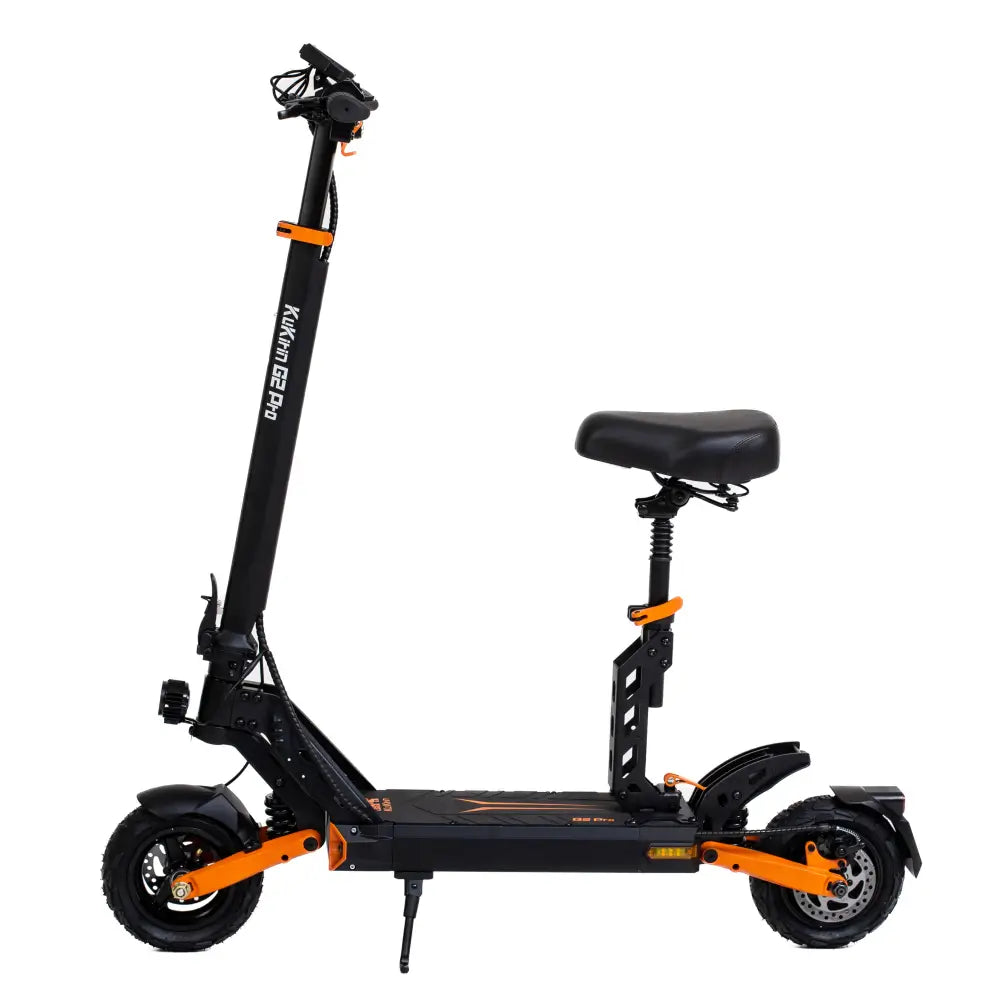
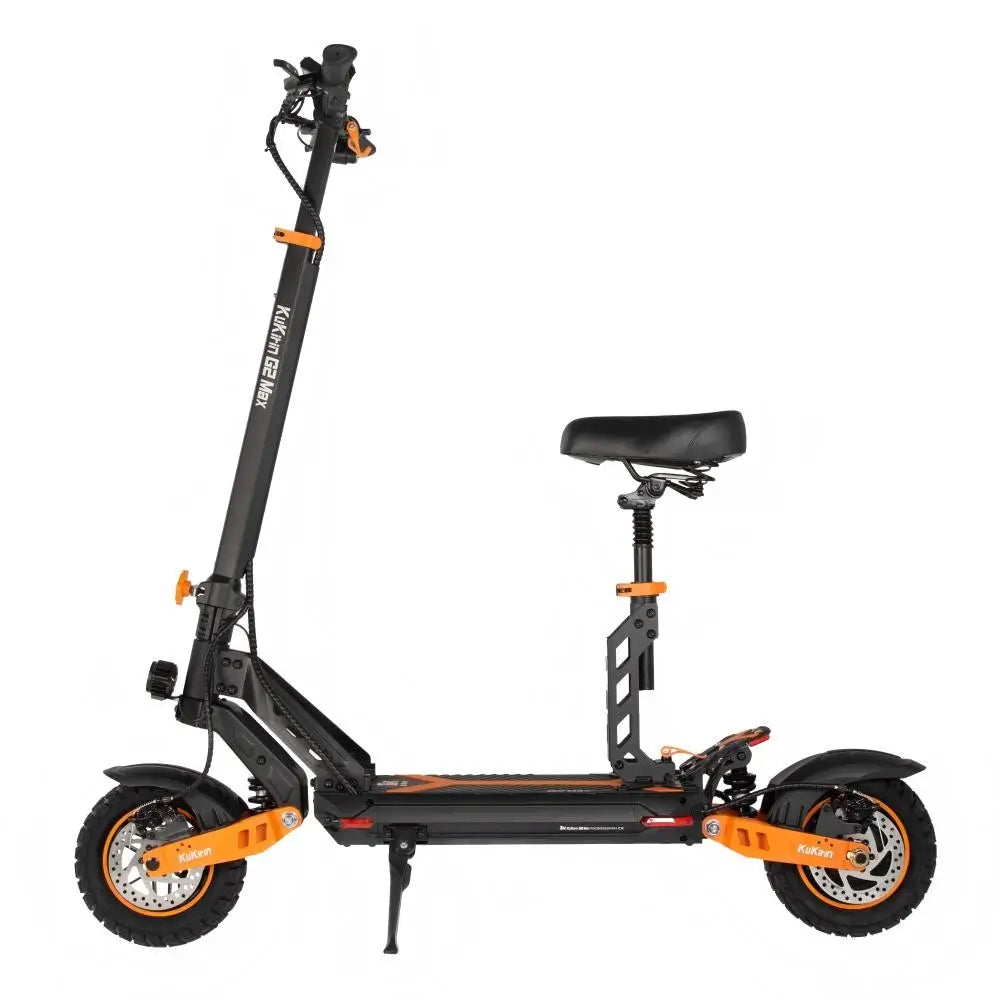
Ride standing on seated models. If you ride a KuKirin G2 Max, try standing on the deck (safely) instead of sitting for portions of the ride.
-
Use higher power modes strategically. Accelerating faster requires you to brace your body more, engaging your muscles more intensely.
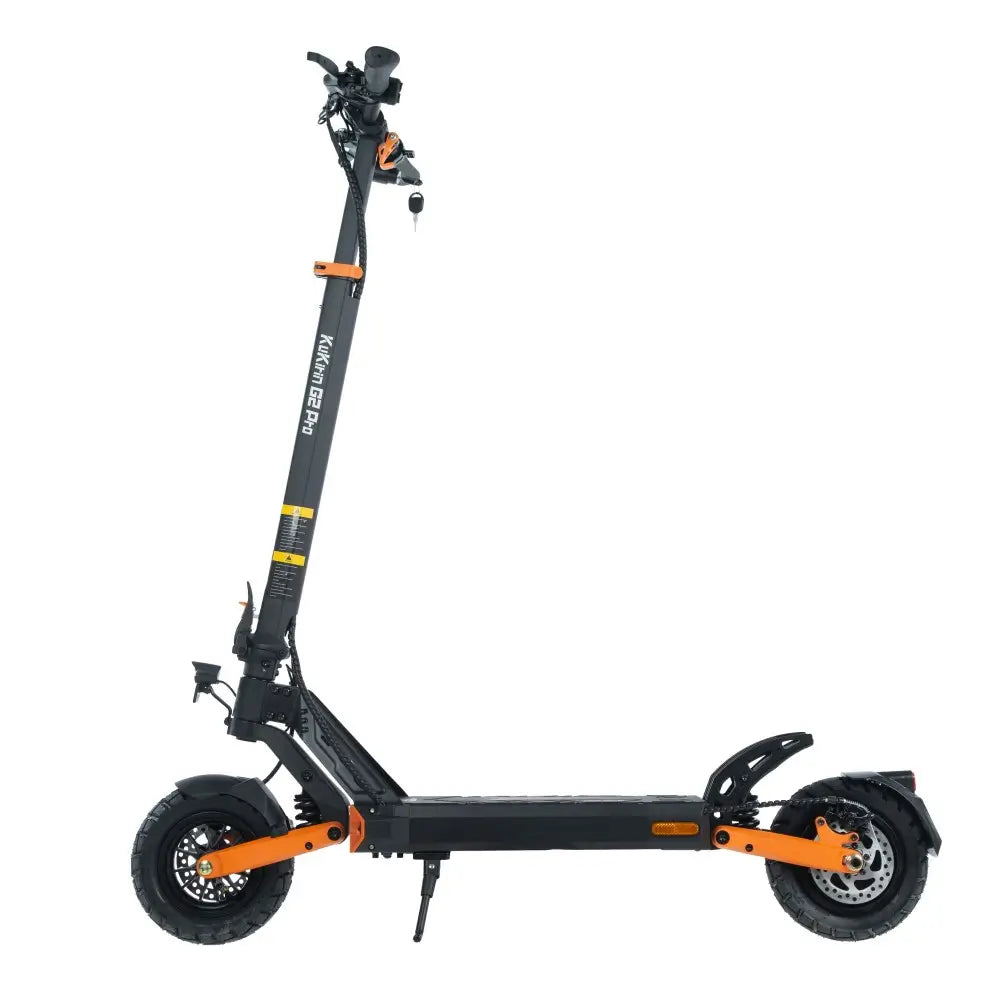
For riders who want a comfortable, stable commute that still engages the body, the KuKirin G2 Pro electric scooter offers a reliable standing platform with responsive acceleration.
Frequently Asked Questions
Is riding an electric scooter a good workout?
Not a high-intensity workout, but it‘s not entirely passive. Standing riding engages your core, calves, and arms to maintain balance, raising your heart rate to a light cardio zone (90-110 bpm).
How many calories do you burn riding an e-scooter?
Standing on an electric scooter burns roughly 150-200 calories per hour. A 10km commute burns about 100-150 calories, depending on your weight and the terrain.
Does standing on a scooter build muscle?
It builds endurance in the core and lower legs rather than raw strength. It’s an isometric exercise that requires continuous micro-adjustments.
Is riding a scooter better than walking for exercise?
No. Walking is a weight-bearing exercise that burns significantly more calories (around 500 calories for 10km compared to 100-150 for a scooter). A scooter saves time, not calories.
Can I lose weight by riding an electric scooter?
It can contribute to a caloric deficit, but the burn is too low to be the primary driver of weight loss. Diet and dedicated exercise are required.
Why is my heart rate higher when riding in summer?
Heat forces your body to work harder to cool itself. Thermoregulation increases blood flow and calorie burn slightly, but also increases fatigue and dehydration risk.
Ride, Don‘t Just Sit
An electric scooter is a tool for efficient urban mobility. It wasn‘t designed to replace your gym routine. But it also isn‘t a zero-effort activity.
Standing on a KuKirin engages your core, tests your balance, and burns a few extra calories over sitting in a car. It‘s light activity—perfect for active commuting without the sweat.
Just remember: if you want the heart rate benefits of walking, you have to walk. If you want to get to work in half the time, ride the scooter.
Apply discount code NEW20 at checkout to save on your next KuKirin:
-
KuKirin S1 Max — €219
-
KuKirin G2 Pro — €419
-
KuKirin G2 Max — €619
-
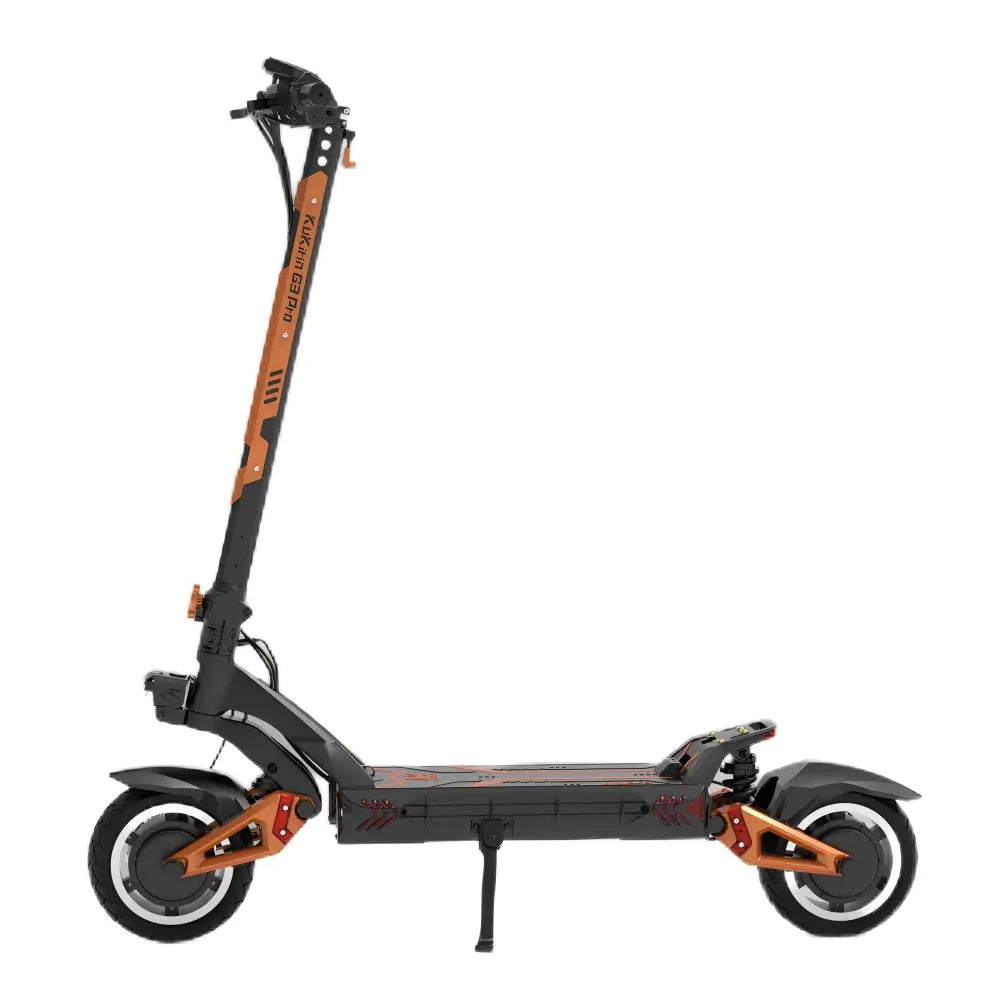
KuKirin G3 Pro — €1,129
-
KuKirin G4 — €829
-
KuKirin G2 Ultra — €659
-
KuKirin X1 — €1,209
Prices reflect discount code NEW20 applied.